How to Choose a Black Masterbatch Supplier: An Audit Checklist for Buyers
Why Supplier Choice Matters
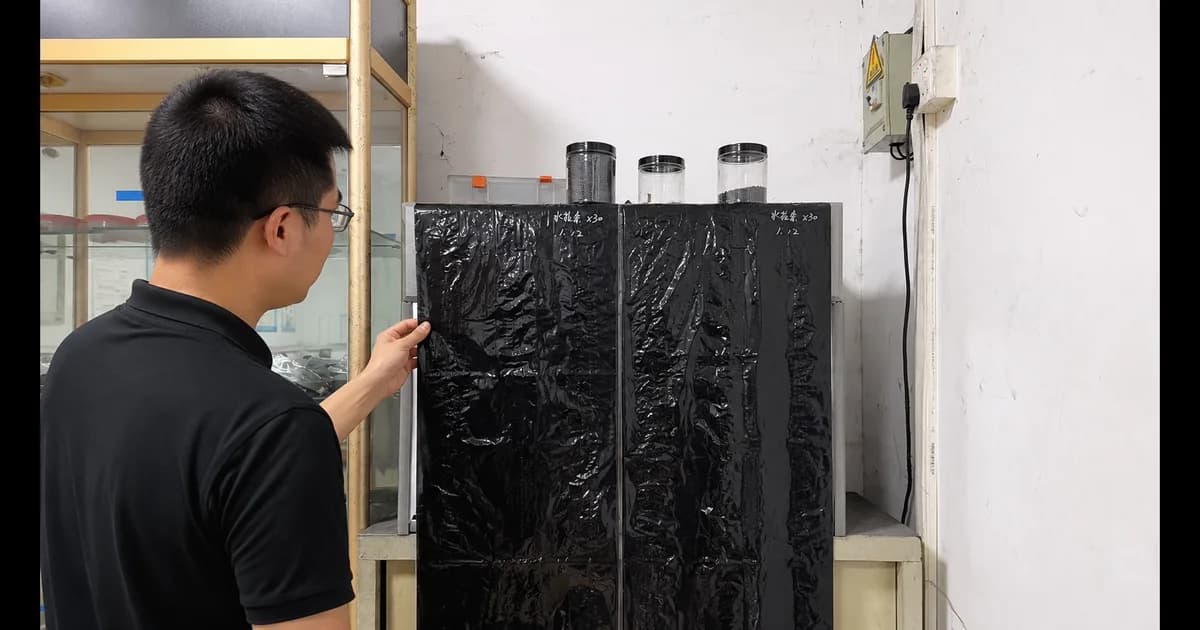
Two black masterbatches with the same carbon black percentage and carrier can behave very differently on a line: one disperses cleanly and repeats from lot to lot, the other causes specks, screen changes or color drift. Price per kilogram does not show this. Qualifying a supplier means checking how the product is made and controlled, testing it on your own line, and confirming that later lots match the one you approved.
Stage 1: Screen on Paper
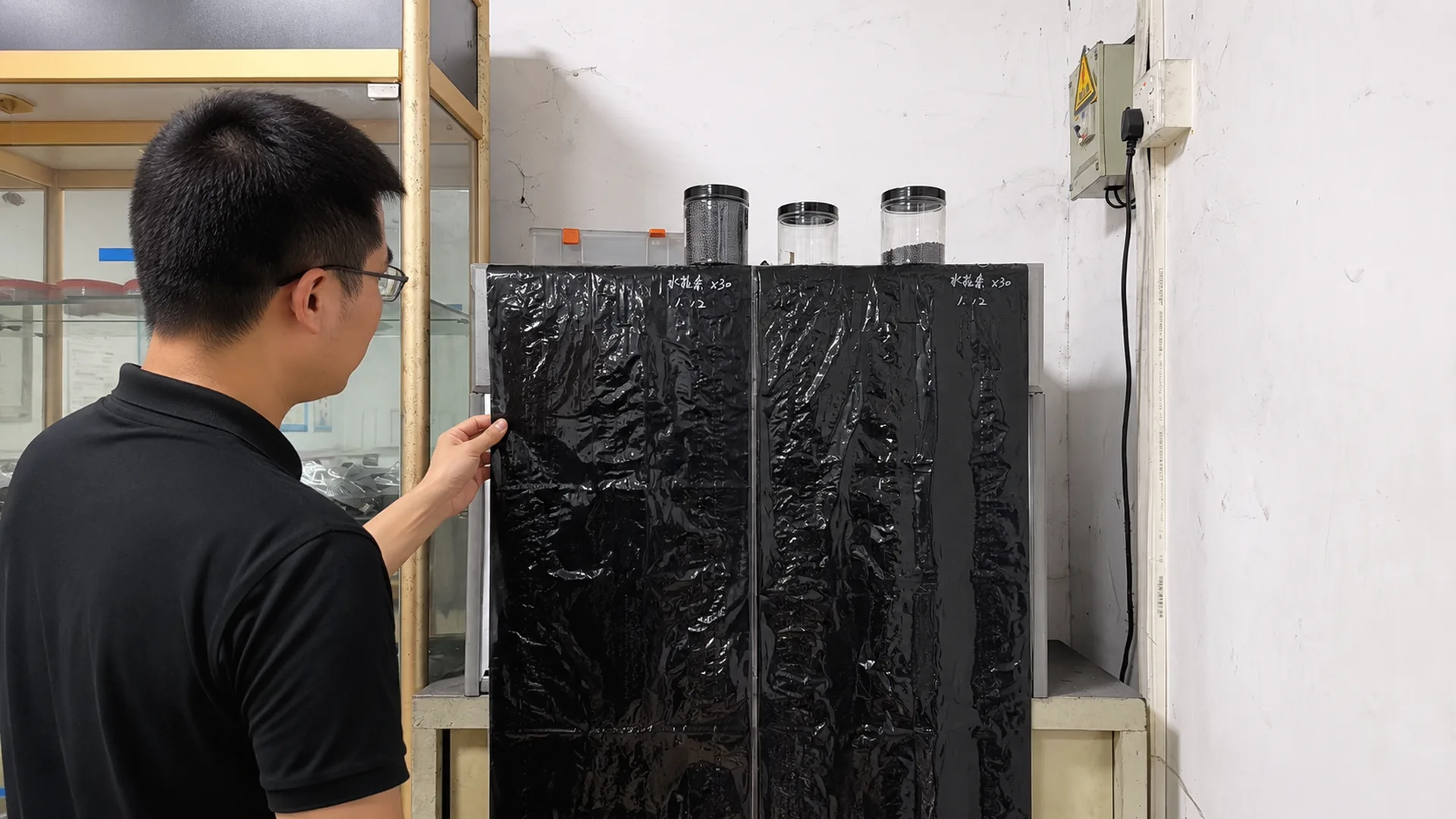
Before requesting samples, ask each candidate for:
- A technical data sheet (TDS) for the proposed grade, with carbon black content, carrier, recommended addition rate and test methods.
- An example certificate of analysis (COA) showing which properties are tested on every lot.
- The test reports relevant to your product and market, each naming the grade it covers.
- Whether the supplier makes the masterbatch itself or sources it, and where.
A supplier that cannot say which tests are done on each lot, or whose reports do not name the offered grade, needs closer checking before you invest in trials.
Stage 2: Ask How the Product Is Made and Controlled
| Topic | Questions to ask | What a clear answer looks like |
|---|---|---|
| Manufacturing | What equipment compounds the grade? Is it made in-house? | A named process and plant, not just "high quality" |
| Raw materials | How are carbon black and carrier lots approved? | Incoming inspection and approved sources |
| Lot release | Which properties are tested on each lot, by which method? | A list such as carbon black content, melt flow, dispersion, moisture |
| Dispersion | Which dispersion test do you use, and under what conditions? | A named method, e.g. a film test or filter pressure test, with conditions |
| Traceability | Can a delivered lot be traced to raw materials and test records? | Lot numbers on bags and COAs, retained samples |
| Changes | Will you notify us before changing raw materials or process? | A change notification commitment |
Stage 3: Check the Documents
For each test report, check that it names the exact grade, the sample, the standard and its version, the laboratory and the date, and that the scope matches your use. A report for one grade does not cover another, and a declaration of conformity is not the same as a test report. How to read these documents is explained in our guide to verifying recycled black masterbatch compliance, and the tests behind a TDS and COA are described in common testing methods for black masterbatch.
Stage 4: Run a Fair Sample Comparison
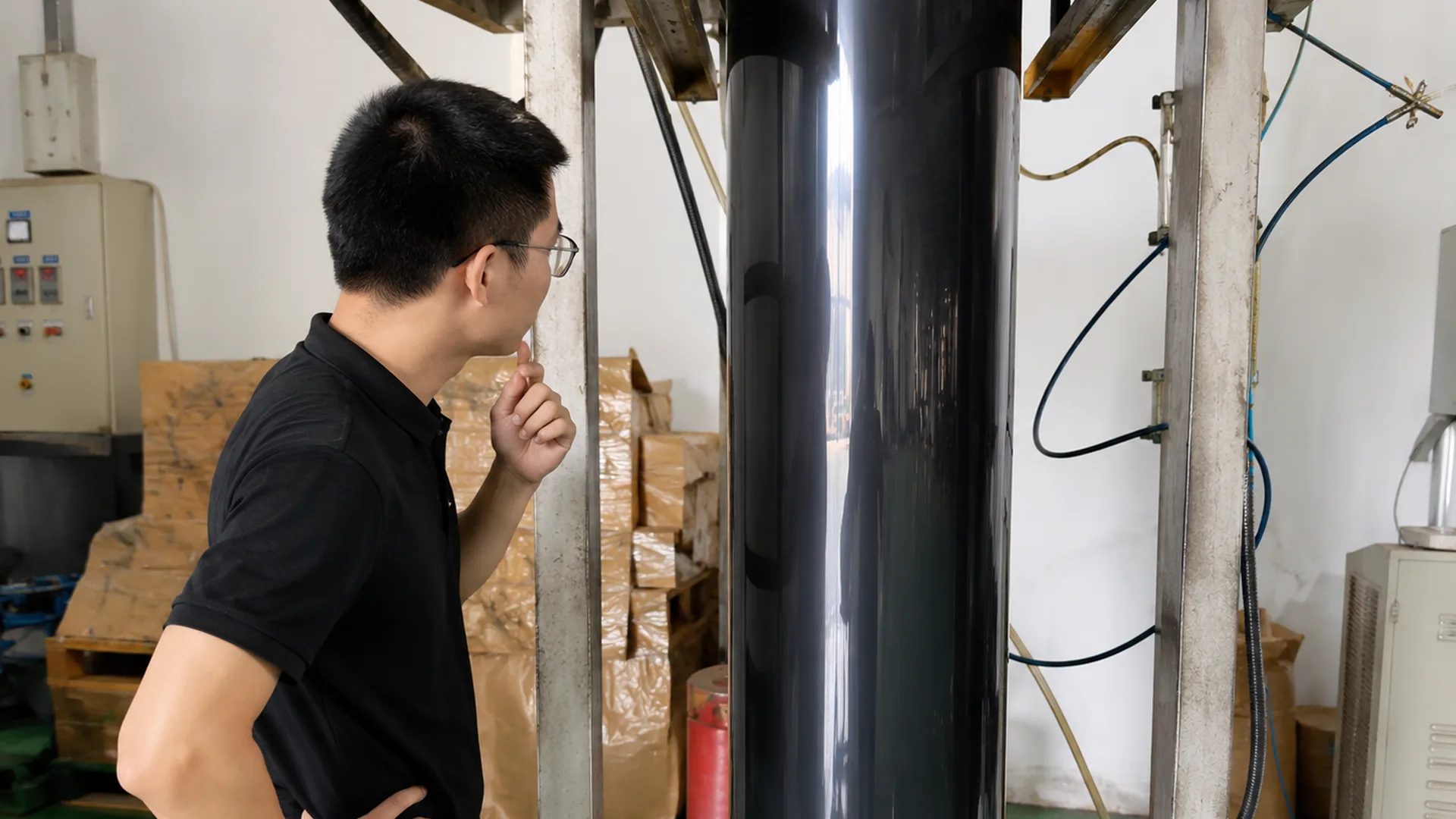
- Compare candidates at the same carbon black content in the finished part, not the same addition rate.
- Use the same base resin lot, machine, settings and output for each sample.
- Check what matters for your product: jetness or opacity against an approved reference, specks or holes, screen-pack pressure, and the mechanical properties you specify.
- Run enough material for a realistic production run, not just a few hundred grams.
- Keep samples, settings and results so a later lot can be compared with the approved one.
Stage 5: Confirm Consistency After Approval
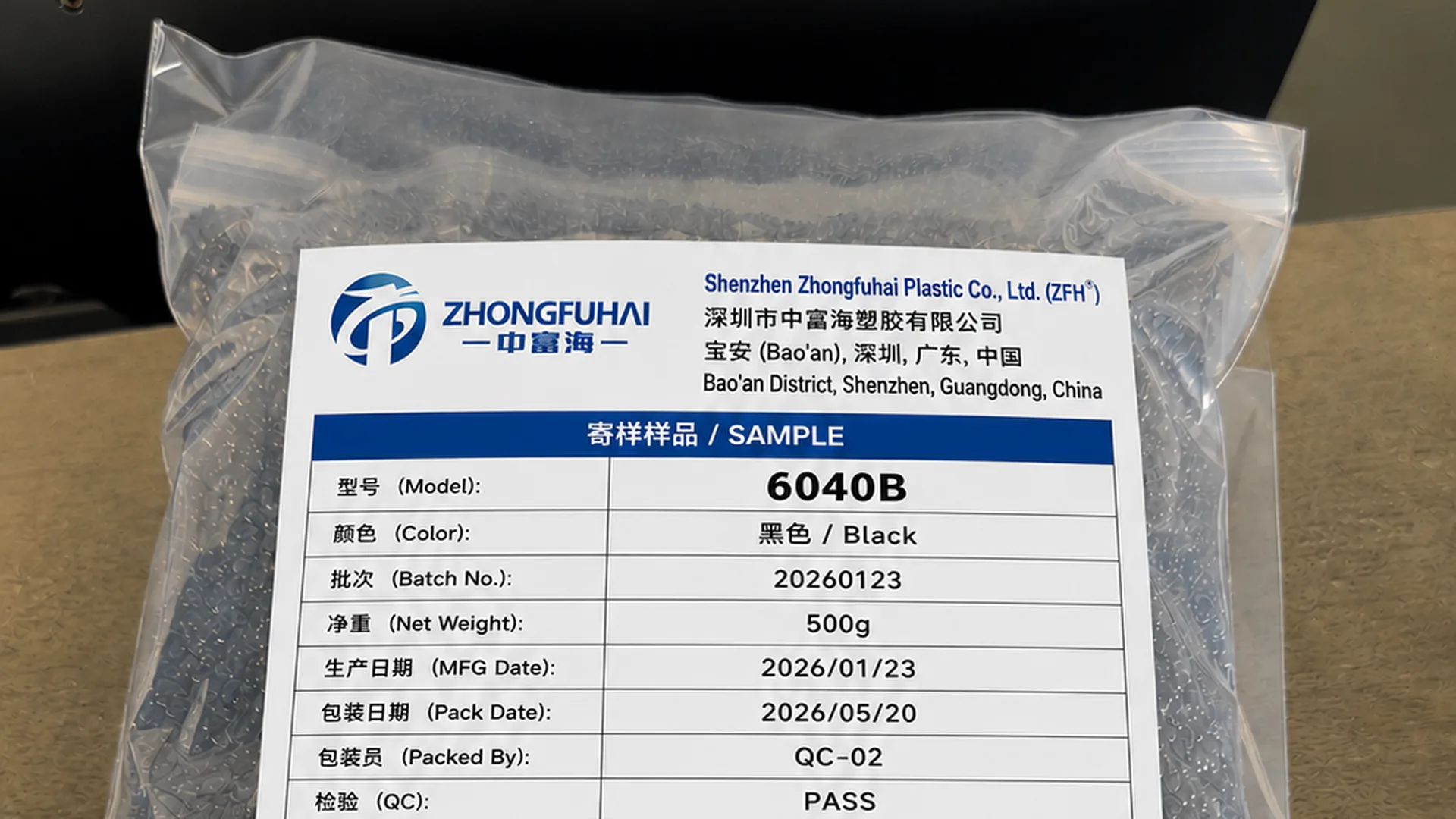
The first lot proves the grade can work; consistency proves the supplier can repeat it. Agree which COA values and limits come with each delivery, test the properties that matter to you on incoming lots, and compare a second production lot with the approved sample before releasing the grade fully. Keep the change notification agreement in your purchase terms.
Stage 6: Compare Quotes on Cost per Part
A lower price per kilogram can still cost more per part if the grade needs a higher addition rate, causes rejects or stops the line for screen changes. Normalize quotes to the carbon black content needed in the part, then add what the trial showed about scrap, downtime and approval effort. If a quote is far below the market, ask what explains it: carbon black content, filler level, carrier or testing.
Supplier Scorecard
| Criterion | Evidence to collect | Weight in your decision |
|---|---|---|
| Product performance | Trial results on your line | Usually the highest |
| Lot consistency | COAs and second-lot comparison | High |
| Documents | Grade-specific reports and declarations | Depends on product and market |
| Technical support | Answers to application questions, trial support | Medium |
| Supply and logistics | Lead time, packaging, stock policy | Medium |
| Cost per part | Normalized price and trial losses | Balanced against the above |
Frequently Asked Questions
Should I prefer a manufacturer over a trader?
A manufacturer controls formulation and process directly, which makes traceability and change control easier to verify. A trader can still be suitable if it can document the source and control of each lot.
How much sample is enough?
Enough to run your normal process long enough to see stable output, screen pressure and appearance, which usually means more than a laboratory sample.
What if a later lot behaves differently?
Stop using it, keep the bags separate, compare it with the retained sample of the approved lot and send the lot number and evidence to the supplier.
Evaluate ZFH as a Supplier
ZFH manufactures black masterbatch at its own plant in Huizhou, Guangdong. Review the reports on our quality and compliance page, see the product range, or request a TDS and sample for a trial. For background on grades and specifications, read black masterbatch explained.