Как выбрать поставщика чёрного мастербатча: чек-лист покупателя
Почему выбор правильного поставщика важнее цены
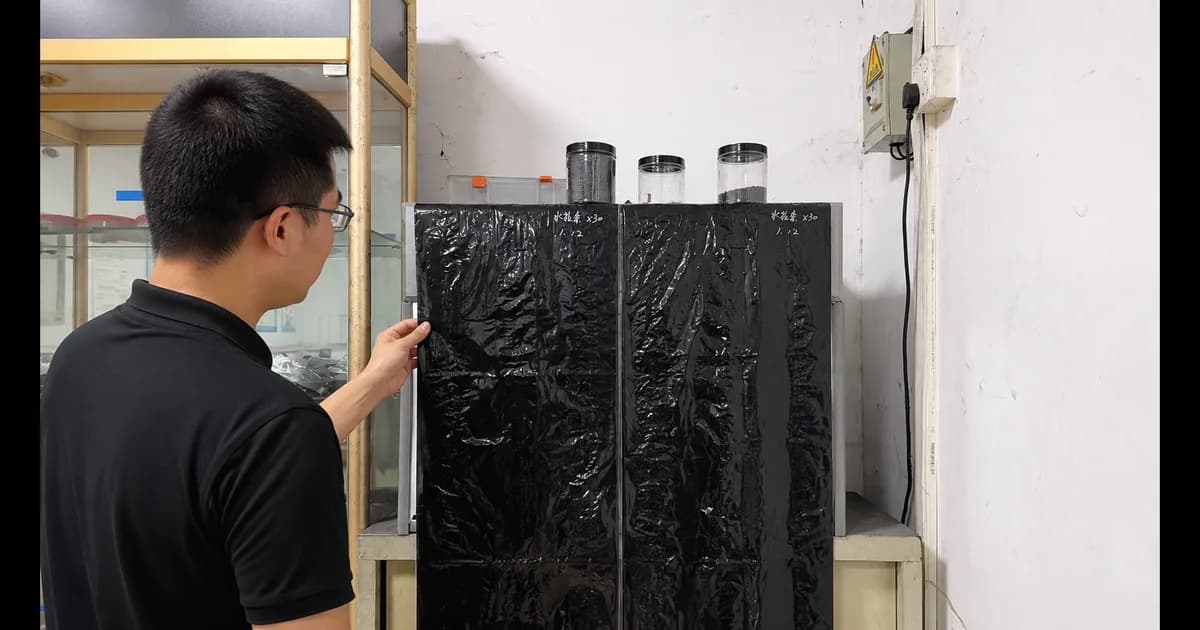
Чёрный мастербатч выглядит как биржевой товар — каждый поставщик называет процент технического углерода, полимер-носитель и цену за килограмм. Но два мастербатча с одинаковой номинальной спецификацией могут вести себя на вашей линии совершенно по-разному: один чисто диспергирует и держит цвет партия за партией, другой даёт гели, полосы и уход цвета, которые проявляются только после того, как вы уже заказали целый контейнер.
Именно этот разрыв делает выбор поставщика важнее заявленной цены. Мастербатч на 5 % дешевле, но дающий 3 % брака, остановку линии или жалобу клиента, вовсе не дешевле. Это руководство разбирает, что действительно нужно проверить перед тем, как связываться с поставщиком чёрного мастербатча, — то, что отличает надёжного долгосрочного партнёра от ставки на один контейнер.
1. Качество дисперсии — самый важный тест
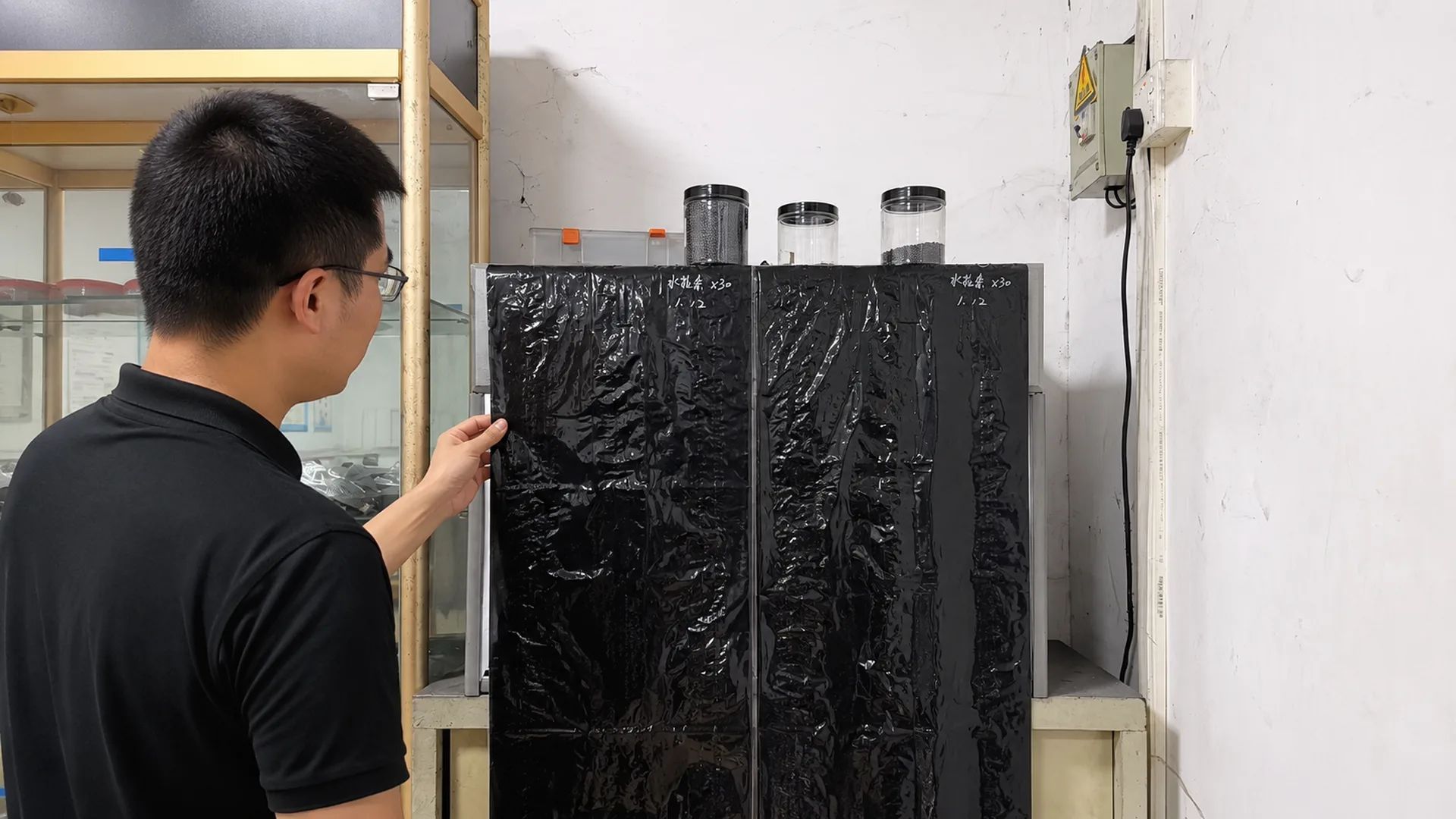
Дисперсия — это то, насколько равномерно технический углерод распределён в полимере-носителе. Плохая дисперсия — коренная причина большинства проблем чёрного мастербатча: гели и крапинки в раздувной плёнке, полосы в литых под давлением деталях и проколы в тонкой плёнке. Два поставщика могут оба заявлять «40 % технического углерода», поставляя совершенно разное качество дисперсии.
Что запросить и проверить:
- Оценку дисперсии или значение давления на фильтре (FPV / DF). Серьёзный поставщик тестирует это и может поделиться методом и результатом. Расплывчатые ответы здесь — тревожный сигнал.
- Образец прессованной плёнки или «чипа», который можно посмотреть на просвет, чтобы увидеть крапинки, — самый простой визуальный тест, который вы можете сделать сами.
- Стабильность метода производства. Двухстадийная высокоинтенсивная двухшнековая экструзия даёт гораздо более надёжную дисперсию, чем однопроходное или низкосдвиговое компаундирование. Спрашивайте, как сделан мастербатч, а не только что в нём.
2. Документация о соответствии — проверяйте, не верьте на слово
Если ваш продукт контактирует с пищей, продаётся как игрушка или экспортируется в EU или Северную Америку, соответствие — не галочка, а юридическое требование, из-за которого товар могут снять с полки. Проблема в том, что многие поставщики заявляют о соответствии, не будучи в состоянии его доказать.
Запрашивайте независимые протоколы испытаний третьей стороны — а не самодекларированную техническую карту:
- EU RoHS (EU) 2015/863 — ограничивает свинец, ртуть, кадмий, шестивалентный хром и несколько фталатов.
- EN 71-3:2019+A2:2024 — испытание миграции элементов для применений, связанных с безопасностью игрушек.
- REACH SVHC — проверка по списку веществ особого беспокойства EU.
- Пищевой контакт FDA / GB — требуется для любой упаковки или изделия, контактирующего с пищей.
Поставщик, способный сразу предоставить датированные протоколы SGS (или эквивалента), привязанные к конкретному коду продукта, показывает вам реальную систему качества. Поставщик, который «пришлёт позже» или делится общим сертификатом без ссылки на продукт, — это риск, измеряемый в отзывах продукции.
3. Стабильность от партии к партии — смогут ли повторить?
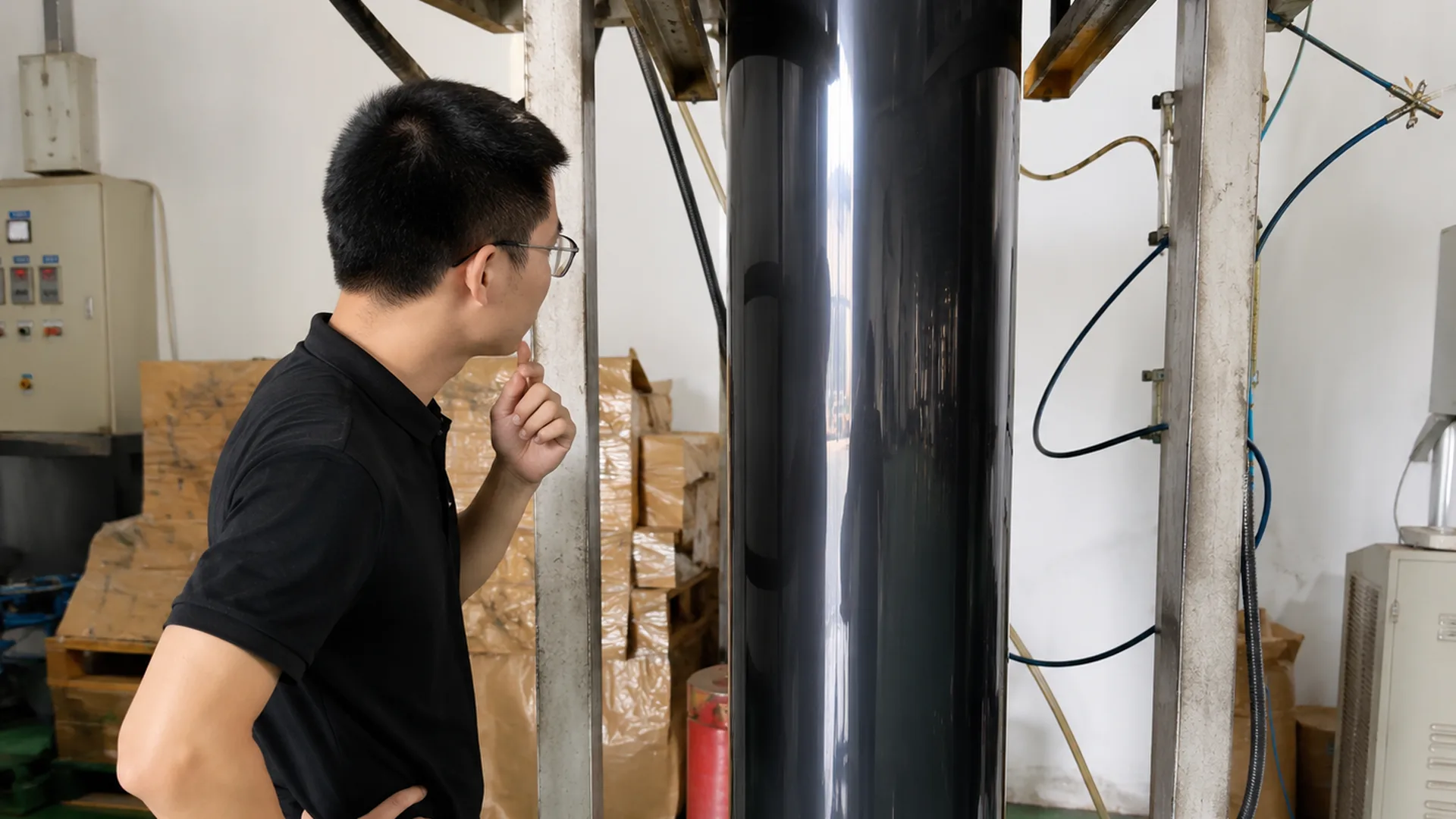
Отличный первый образец ничего не значит, если десятый заказ ему не соответствует. Стабильность — это то, что отличает производителя с реальным контролем процесса от перекупщика, переупаковывающего то, что дешевле всего в этом месяце.
Как оценить это до того, как вы связаны обязательствами:
- Спросите, производят они или перепродают. Прямой производитель контролирует собственное сырьё и процесс экструзии; перекупщик зависит от того, кто поставил ту партию. Один этот вопрос отсеивает много риска.
- Спросите, как они справляются с колебаниями сырья. Технический углерод и полимер-носитель — биржевые товары, дрейфующие вместе с рынком; серьёзный поставщик подстраивает рецептуру, чтобы держать результат постоянным, а не перекладывает колебания на вас.
- Запросите один и тот же тип дважды, с интервалом, и сравните. Если два образца «одного и того же» продукта заметно различаются — это и есть ответ.
4. Соответствие носителя и марки — понимают ли они ваше применение?
Поставщик, который до расчёта спрашивает о вашей базовой смоле, процессе и конечном применении, занимается инженерией. Поставщик, который просто шлёт самую дешёвую чёрную марку на всё, продаёт вам ширпотреб, который может не подойти.
Правильный партнёр будет:
- Подбирать полимер-носитель под ваш полимер — мастербатч на носителе PE не будет корректно диспергировать в PC, PA или других инженерных смолах.
- Предлагать марки без наполнителя там, где важны механические свойства или тонкостенная плёнка, а не только дешёвые наполненные марки.
- Иметь реальную линейку продуктов — стандарт PE/EVA, вторичный (rPE), высокоцветный чёрный, инженерные пластики и устойчивые марки с вторичным содержанием — чтобы рекомендовать нужное, а не навязывать подгонку.
Если поставщик не может объяснить, почему конкретная марка подходит вашему применению, он не готов поддержать вас, когда что-то пойдёт не так.
5. Образцы и TDS до объёма — всегда
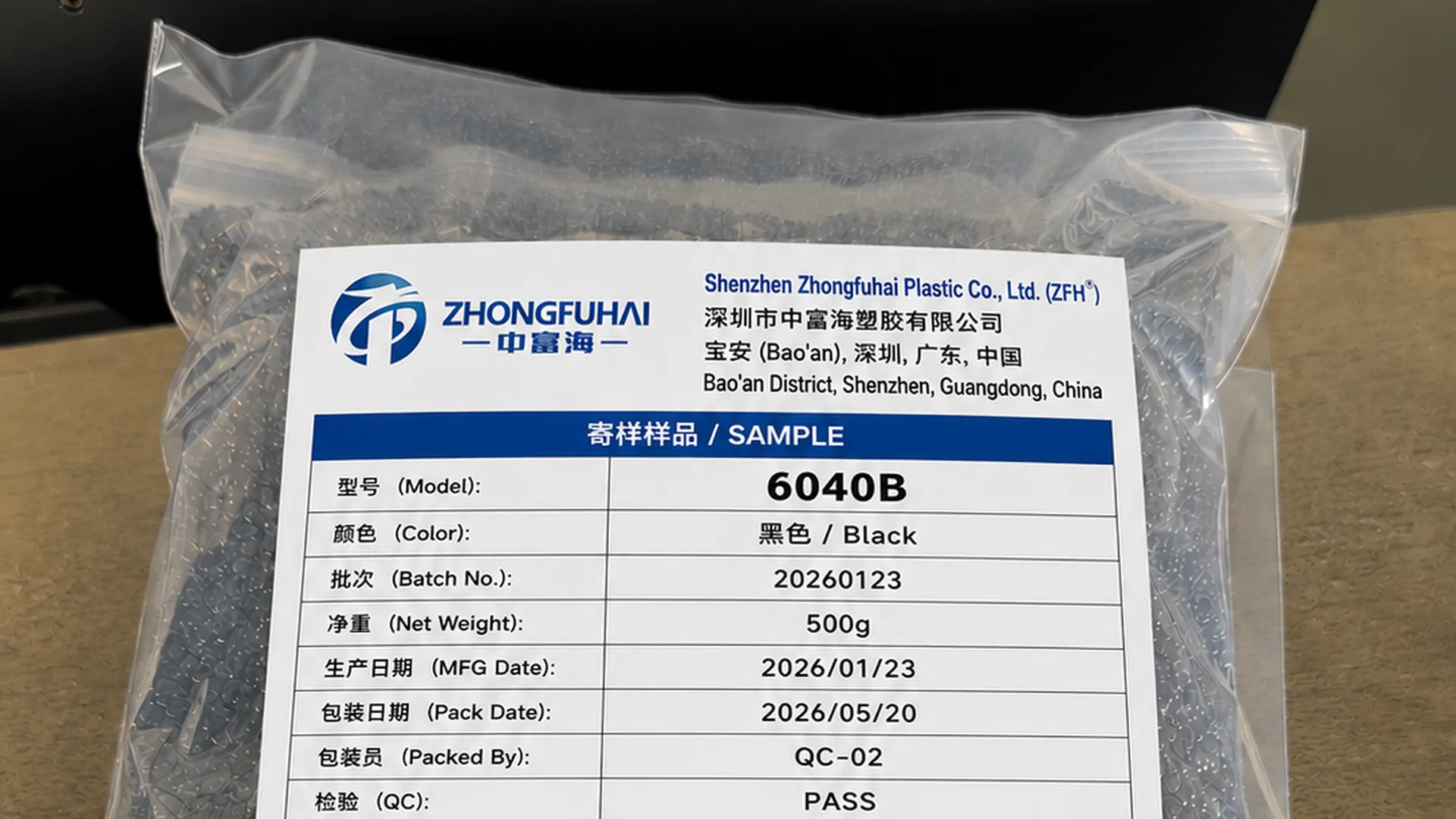
Как бы хорошо ни выглядела документация, единственный надёжный тест — испытание на вашей собственной линии. Поставщик, уверенный в своём продукте, предоставит образцы и техническую карту (TDS) для квалификации до того, как попросит заказ.
Прежде чем масштабировать:
- Прогоните образец на вашей реальной линии, при вашей реальной дозировке и условиях процесса.
- Проверьте укрывистость, дисперсию (гели/крапинки) и механические свойства на готовой детали — а не только на грануле.
- Убедитесь, что TDS соответствует реальности — MFI, содержание технического углерода и дозировка должны вести себя как заявлено.
Отнеситесь к нежеланию поставщика предоставить нормальный образец и TDS как к решению, а не к неудобству.
6. Прозрачность цены — самое дешёвое редко и есть реальная стоимость
На рынке, где некоторые поставщики продолжают снижать цены даже при росте стоимости сырья, самое низкое предложение часто скрывает компромисс: меньше технического углерода, чем заявлено, более дешёвые вторичные наполнители или нестабильное качество, проявляющееся как ваш процент брака. Цена, резко ниже рыночной, обычно не выгодная сделка — это предупреждение.
Надёжный поставщик может объяснить, почему его цена такова: марка технического углерода, носитель, процесс диспергирования, испытания на соответствие. Прозрачность в том, за что вы платите, сама по себе сигнал качества. Сравнивая предложения, приводите их к одному содержанию технического углерода, типу носителя и уровню соответствия — тогда «самый дешёвый» вариант часто оказывается вовсе не самым дешёвым.
Чек-лист выбора поставщика
Используйте его как быстрый фильтр при сравнении поставщиков чёрного мастербатча:
| Проверка | Что предоставляет надёжный поставщик |
|---|---|
| Дисперсия | Проверенную оценку дисперсии + образец плёнки/чипа, который можно осмотреть |
| Соответствие | Датированные протоколы SGS третьей стороны, привязанные к конкретному коду продукта |
| Стабильность | Прямое производство (не перепродажу) + контроль процесса при колебаниях сырья |
| Соответствие применению | Носитель под вашу смолу; вариант без наполнителя; реальную линейку марок |
| Образцы | Образец + TDS для испытания на линии до любых обязательств по объёму |
| Цена | Цену, которую могут объяснить, — а не просто самую низкую |
Часто задаваемые вопросы
В чём разница между производителем чёрного мастербатча и перекупщиком? Производитель выпускает мастербатч собственными силами, контролируя выбор сырья, рецептуру и процесс экструзии, — именно это делает возможной стабильность от партии к партии. Перекупщик перепродаёт мастербатч, сделанный другими, с ограниченным контролем над тем, что на самом деле в каждой партии. Везде, где важна стабильность, покупка у прямого производителя существенно снижает ваш риск.
Как проверить заявления поставщика о соответствии? Запросите фактический протокол испытаний третьей стороны (например, отчёт SGS), датированный и привязанный к конкретному коду продукта, — а не общий сертификат или устные заверения. Настоящий отчёт называет испытанный продукт, стандарт (такой как EU RoHS 2015/863 или EN 71-3), лабораторию и дату. Если поставщик не может быстро это предоставить, считайте заявление о соответствии неподтверждённым.
Всегда ли выбирать самого дешёвого поставщика чёрного мастербатча? Нет. Самое низкое предложение часто отражает меньшее содержание технического углерода, более дешёвые наполнители или нестабильную дисперсию, которая позже проявляется как процент брака, остановки линии или жалобы клиентов. Сравнивайте предложения при одинаковом содержании технического углерода, типе носителя и уровне соответствия и учитывайте полную стоимость — включая стоимость проблем качества, — а не только цену за килограмм.
Сколько образца запрашивать перед оптовым заказом? Достаточно, чтобы провести настоящее испытание на вашей собственной линии при обычной дозировке и условиях процесса, — обычно этого хватает на короткий производственный прогон, а не на горстку гранул. Цель — увидеть, как мастербатч ведёт себя в вашем реальном продукте, а затем проверить укрывистость, дисперсию и механические свойства на готовой детали, прежде чем заказывать объём.
Готовы оценить поставщика?
Посмотрите наши проверенные SGS протоколы испытаний и сертификаты как пример полной документации о соответствии, изучите наш полный ассортимент продукции мастербатч или запросите образец и TDS, чтобы провести собственное испытание на линии. Впервые сталкиваетесь с чёрным мастербатчем? Начните с нашего руководства о том, что такое чёрный мастербатч и как его производят.