Color Masterbatch Series
Color Masterbatch
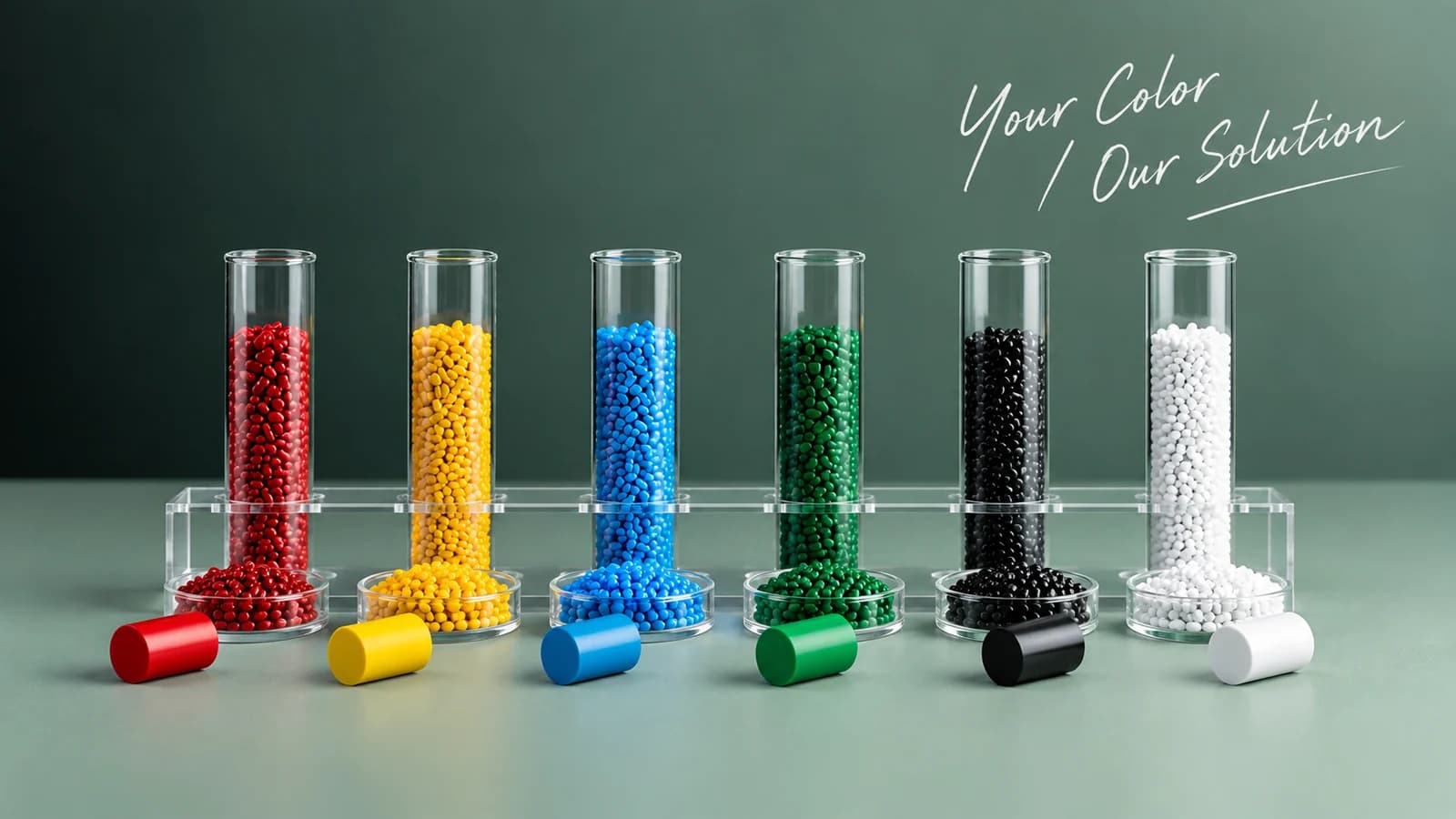
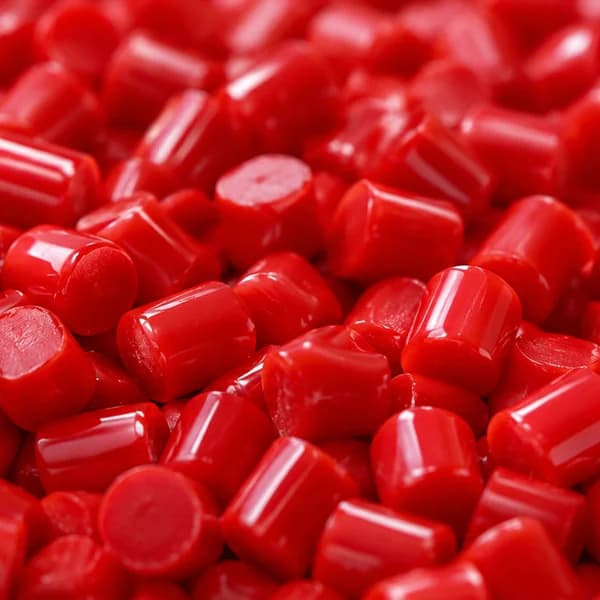
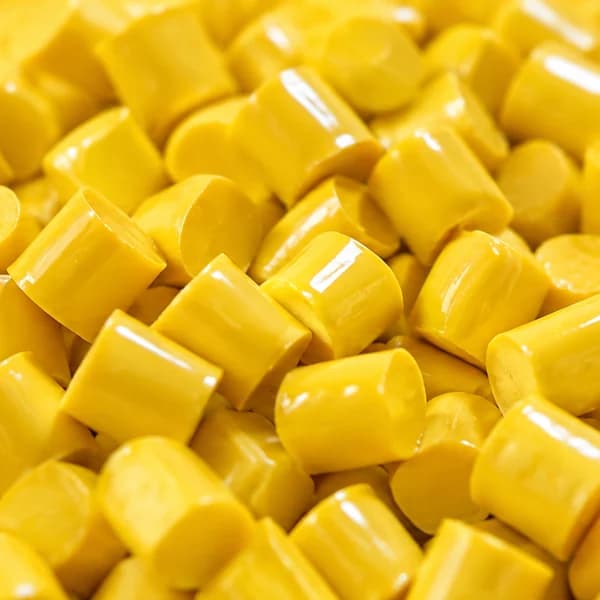
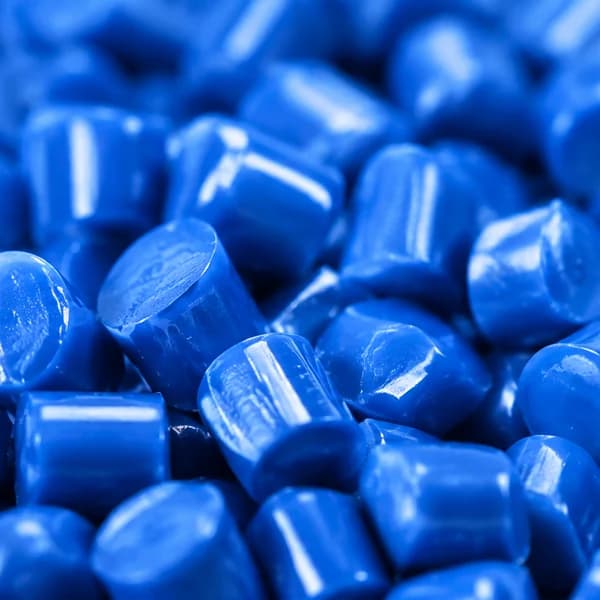
Custom color masterbatch for PE, PP, EVA and engineering plastics such as PC, ABS and SAN.




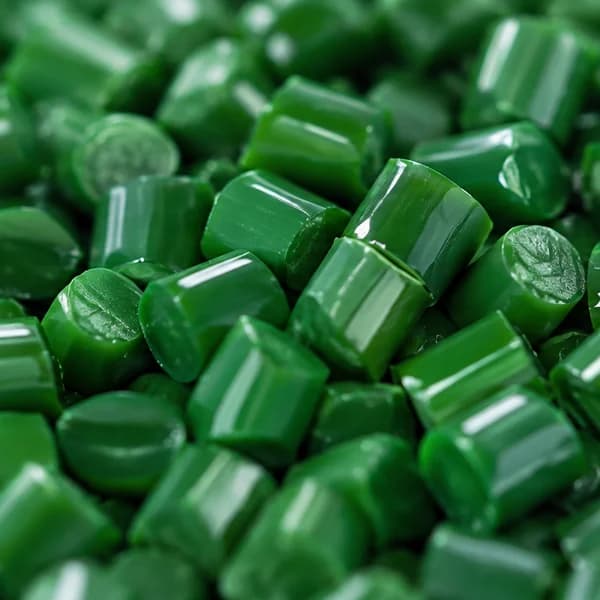
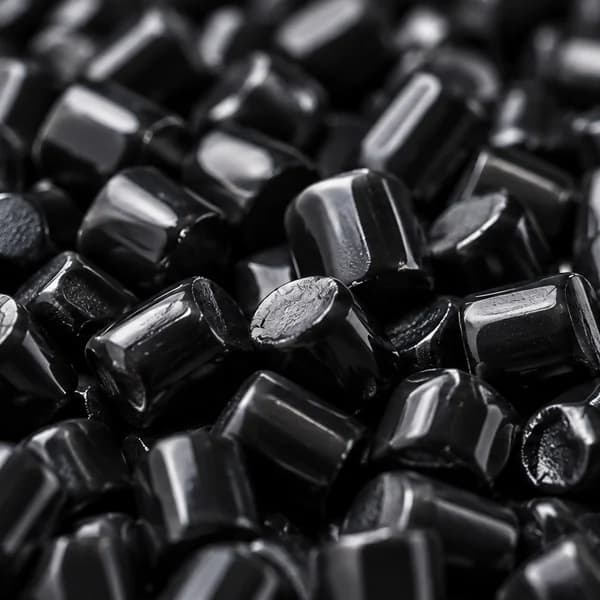
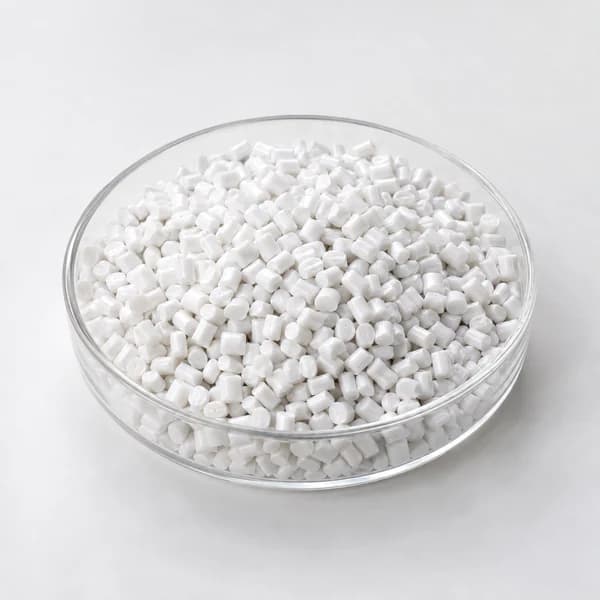
Product Overview
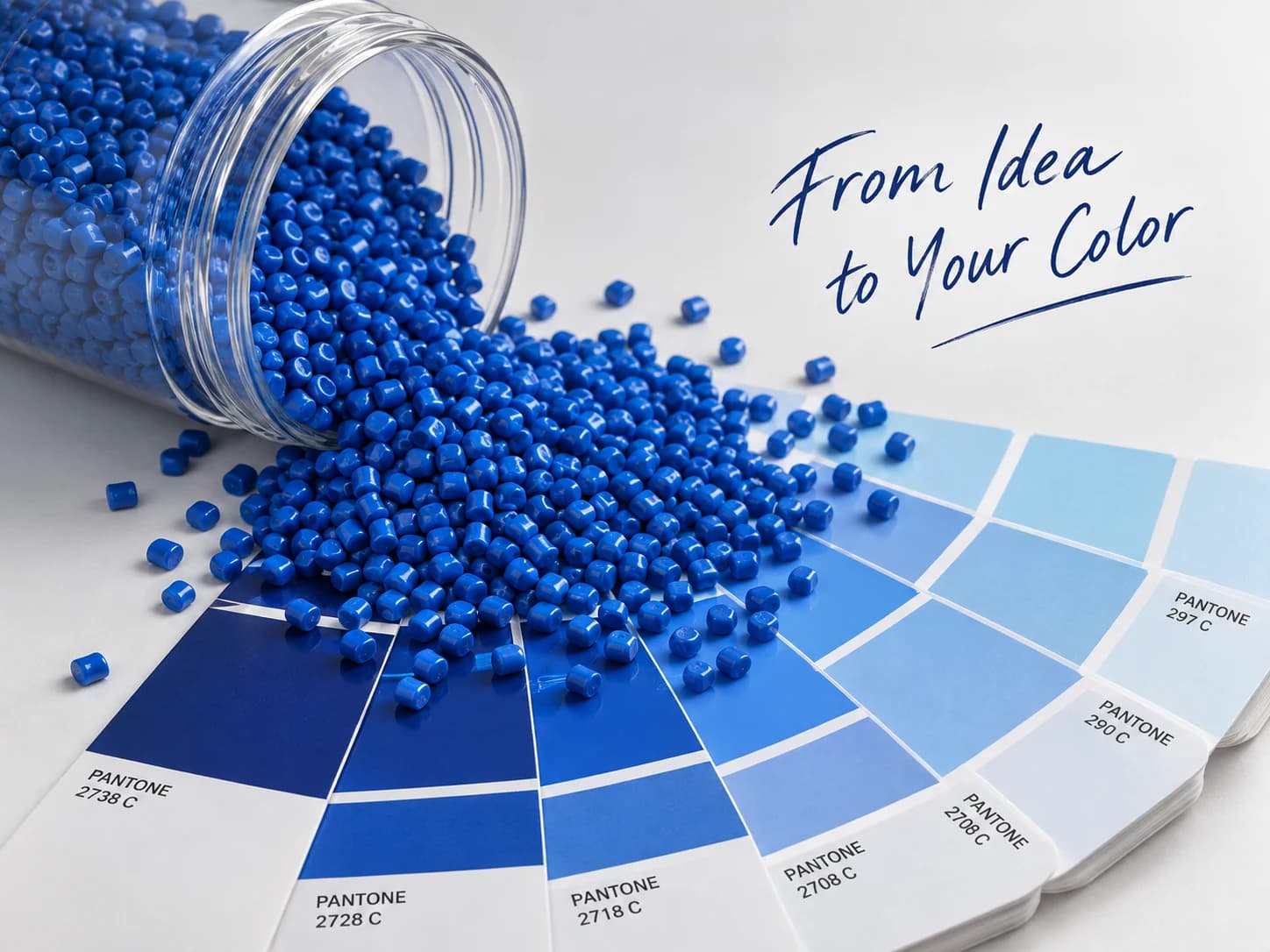
ZFH Color Masterbatch provides custom color solutions for PE, PP, EVA and engineering plastics including PC, ABS, SAN, PS and PA. We work closely with customers to match target colors based on Pantone, RAL or physical samples, and recommend suitable formulations for different applications and processing methods.
Our color masterbatch helps customers achieve consistent color appearance, good dispersion and stable processing, meeting the requirements of various end-use products.
Key Features
Match colors based on Pantone, RAL or physical samples
Develop unique colors for your products

Uniform dispersion and consistent color appearance
Recommend suitable formulations for your process

Project-based supply matched to your order needs
Typical Applications
Widely used in PE, PP, EVA and engineering plastics such as PC, ABS and SAN.
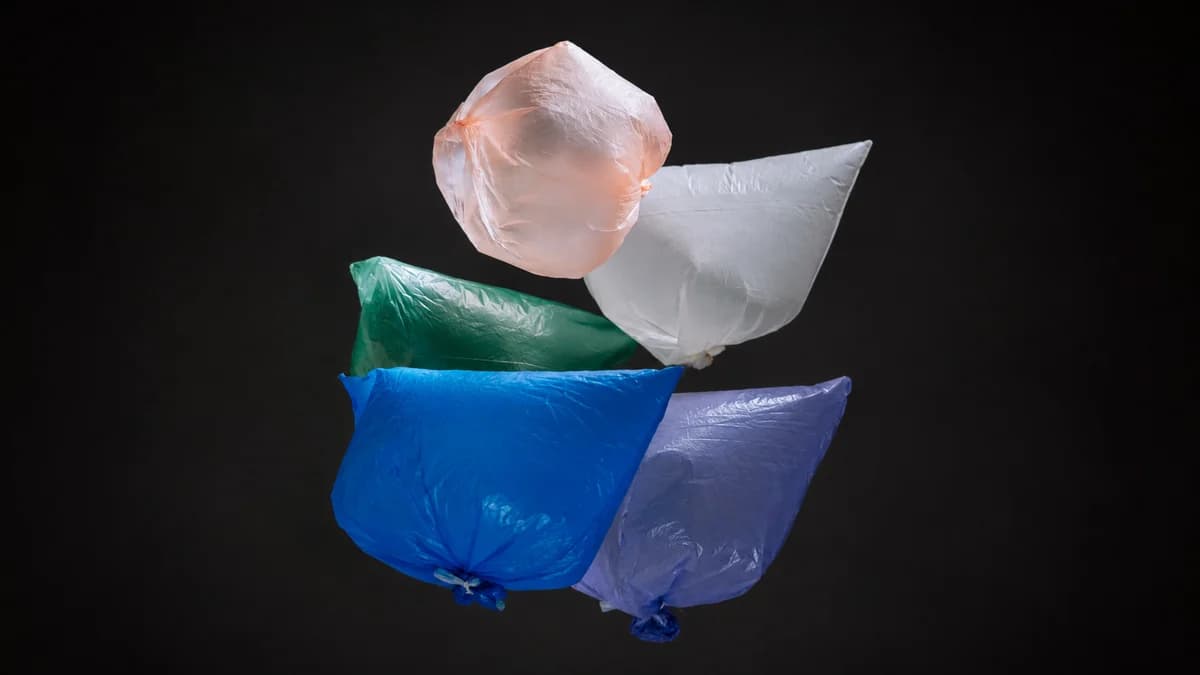
Bags, films, sheets, lamination films, etc.
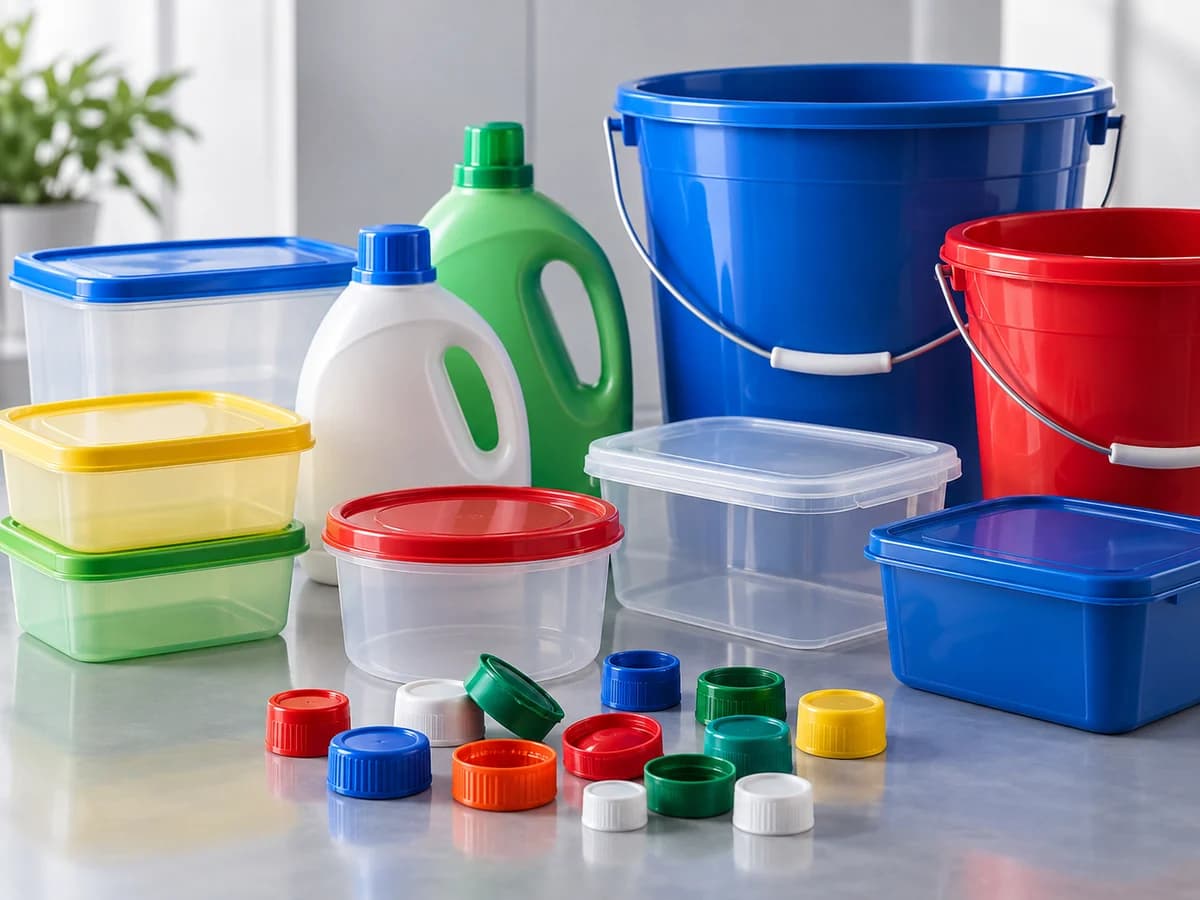
Household products, containers, caps, etc.
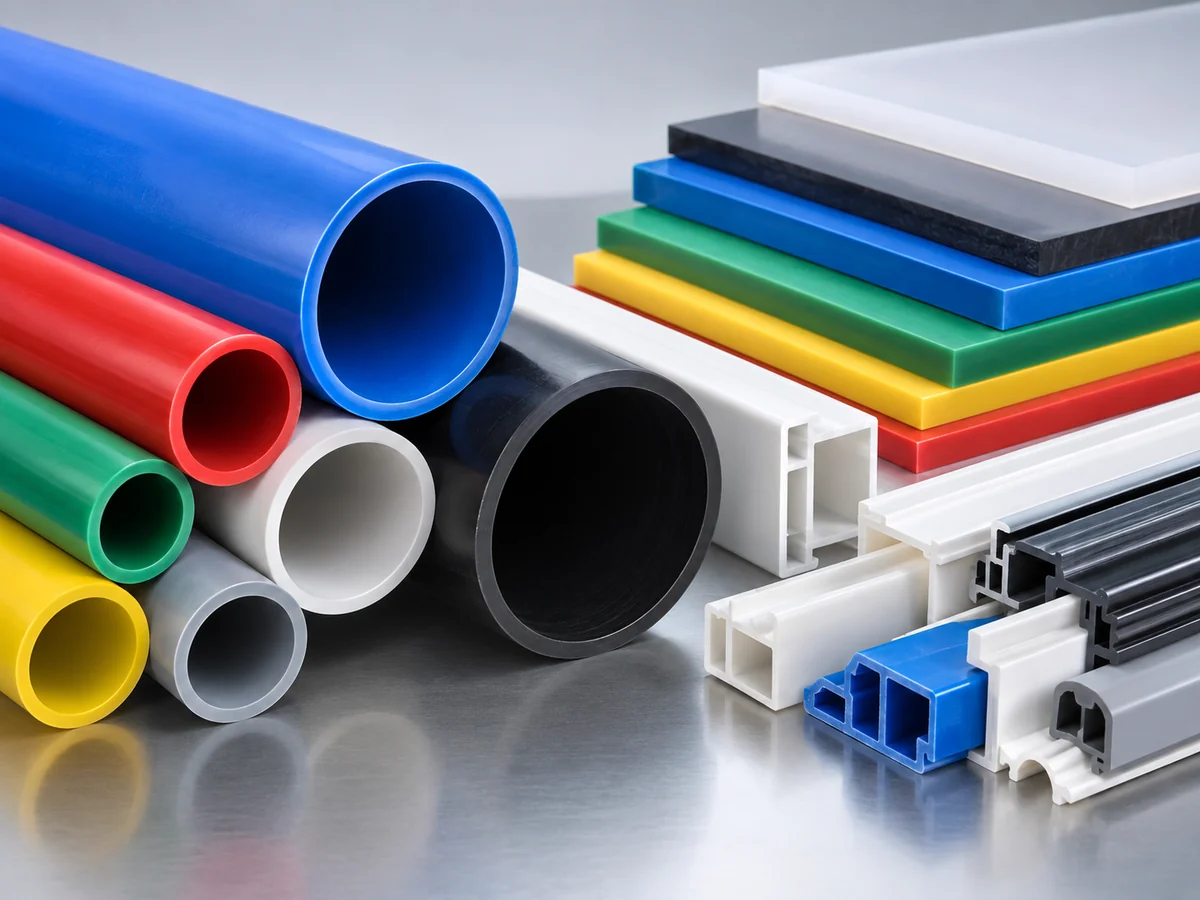
Pipes, profiles, sheets, cables, etc.
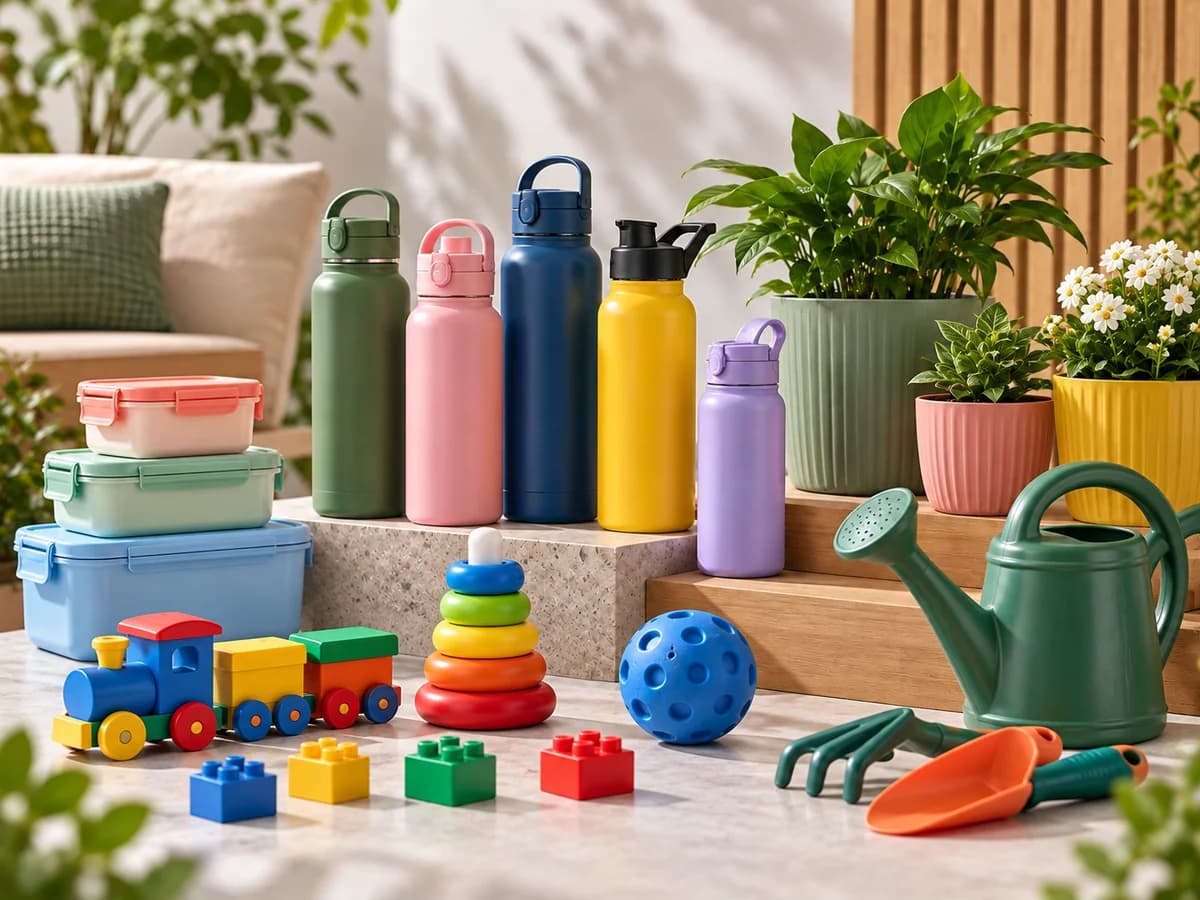
Toys, daily necessities, home & garden products, etc.
Special Effects & Specialty Applications
Transparent, high-gloss, marble and other special appearances, developed and confirmed by sample evaluation before production.
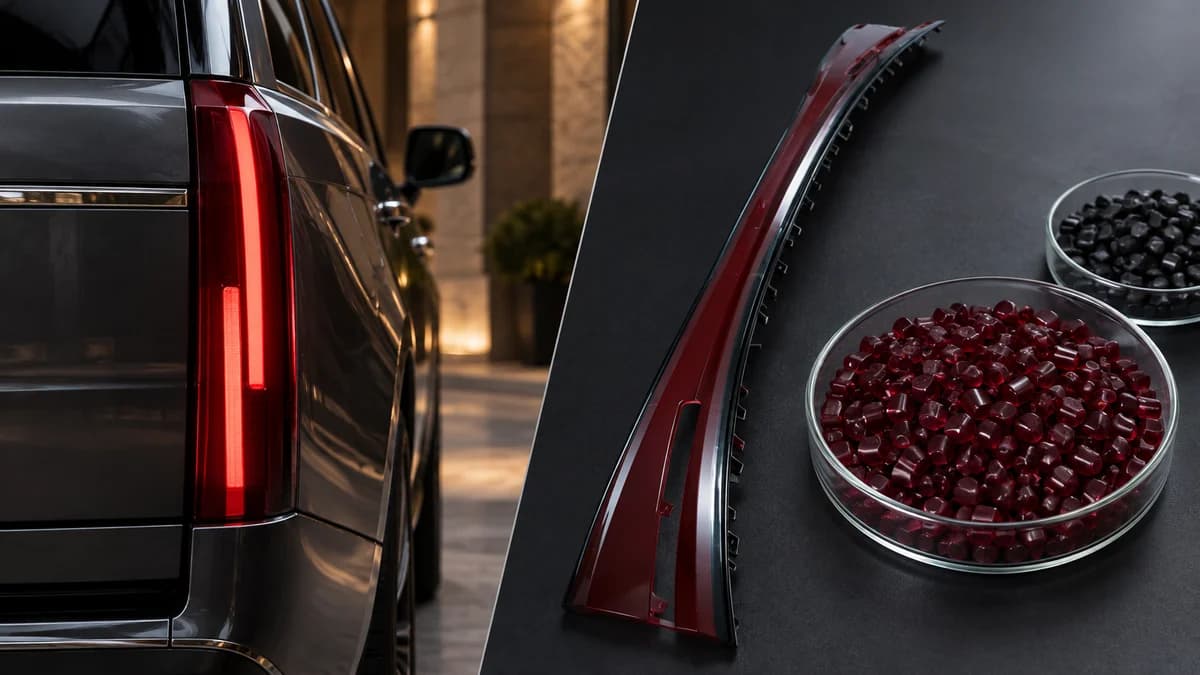
Lighting covers, optical and translucent parts in PC and other clear resins.
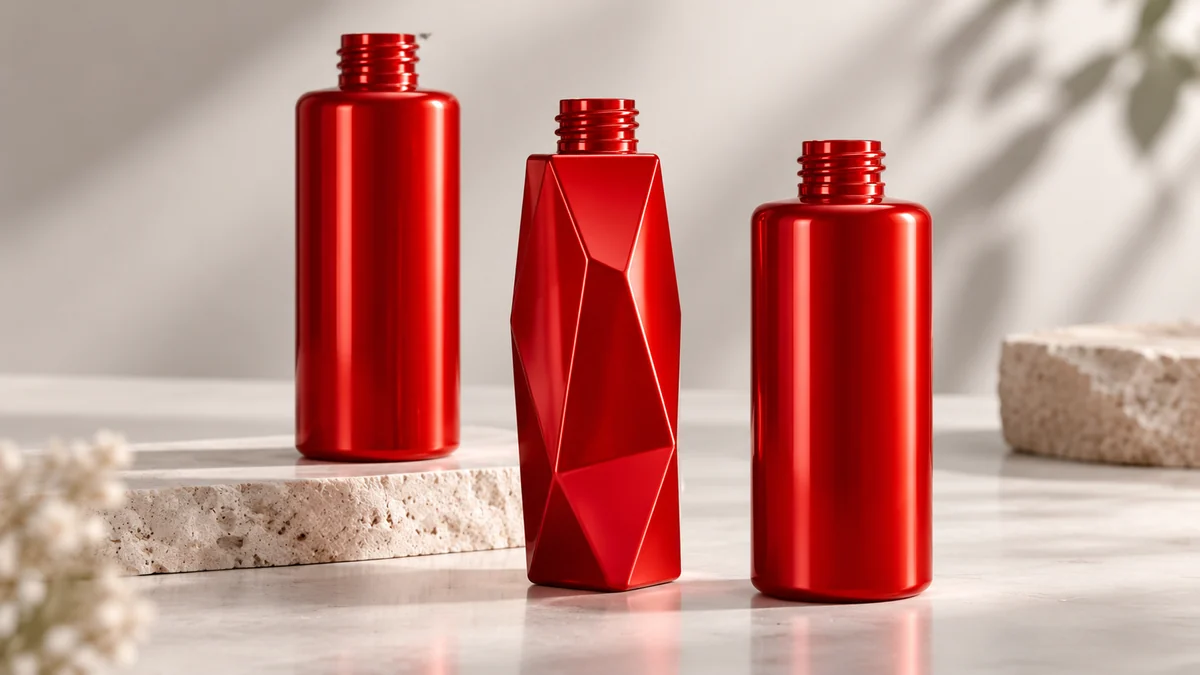
Mirror-gloss, painted-look parts straight from the mould, with no spraying step.

Veined and flow-pattern appearances created during moulding, not printed on.

3D printing filament and fine extrusion that need clean, consistent color.
How to Start / What We Need
To provide an accurate color solution, please share the following information with us:
| Item | Details (Examples) |
|---|---|
| Base Polymer | PE, PP, EVA, PC, ABS, SAN or other (e.g., PS, PA, etc.) |
| Target Color | Pantone / RAL code or physical sample |
| Product Thickness | Film thickness, wall thickness or product size |
| Processing Method | Blown film, injection molding, extrusion, etc. |
| Sample | Sample material or end product (if available) |
| Order Requirement | Estimated quantity, delivery time, special requirements |
Why Choose ZFH?

Experienced team and application support

Consistent color and stable supply
Tailored to your application needs

Project-based support from sampling to production
Serving customers worldwide
FAQ
1.Can you match Pantone, RAL, or a physical color sample?
Yes. We can develop color masterbatch based on Pantone references, RAL colors, or customer-provided physical samples. For applications with higher color accuracy requirements, we recommend providing an actual molded part, film, sheet, color chip, or finished-product sample whenever possible. Please note that the final color appearance can be affected by the base polymer, product thickness, surface finish, processing method, and masterbatch dosage. Final approval should therefore be based on testing under the customer's actual processing conditions.
2.What information do you need before recommending a color masterbatch?
To recommend or develop a suitable grade, we usually need the base polymer, the target color or a physical sample, the processing method, the product or wall thickness, the surface requirement (glossy, matte, opaque, translucent or transparent), the expected masterbatch dosage if available, the end-use application, any special performance requirements, and the estimated order quantity. The more complete the application information is, the more accurately we can evaluate the formulation and recommend a suitable solution.
3.Do I need to send a physical sample for color matching?
Not always. If the project only requires matching a standard Pantone or RAL color, we can start with the color reference. However, a physical sample is strongly recommended when matching an existing finished product, a special or custom shade, a translucent or transparent color, a metallic, pearl or special-effect color, or a product whose appearance is strongly affected by thickness or surface texture. For final confirmation, testing with the customer's actual resin and processing conditions is recommended.
4.Which polymers can your color masterbatch be developed for?
Color masterbatch can be developed for common thermoplastics such as PE, PP and EVA, as well as selected engineering plastics including ABS, PS, SAN, PC and PA, depending on the application and formulation. The carrier resin must be selected carefully because compatibility can affect color dispersion, processing stability, surface appearance, mechanical properties, and migration or blooming risk. For this reason, we recommend confirming the exact polymer grade before finalizing the masterbatch formulation.
5.How do you control color consistency between batches?
Color consistency depends on both formulation control and production consistency. For customized color projects, color matching can be evaluated using standard color references, retained samples, and instrument-based color comparison where applicable. We also recommend confirming key application conditions such as base resin, addition rate, product thickness, processing temperature and surface finish. For repeat orders, keeping these conditions consistent helps reduce visible color variation between production batches.
6.What masterbatch addition rate do you recommend?
There is no single dosage that is suitable for every application. The recommended addition rate depends on the target color strength, base resin color, product thickness, opacity requirement, processing method and required surface appearance. For many applications, the dosage is determined during sample testing rather than by a fixed standard value. We can recommend a starting dosage based on your application and adjust it according to the test result.
7.Can you support special effects such as transparent, pearl, metallic, or marble-like colors?
Yes, depending on the polymer and end-use requirements. Special color effects may include transparent or translucent colors, pearl effects, metallic effects, fluorescent colors, marble or flow-pattern effects, and custom appearance combinations. These effects are generally more sensitive to material compatibility, product thickness, processing conditions and mold design, so sample evaluation is recommended before mass production.
8.What if the color looks different after molding or extrusion?
This can happen even when the masterbatch itself is consistent. Common causes include different base resin grades, changes in masterbatch dosage, different product thickness, processing temperature variation, residence time differences, surface texture or gloss differences, uneven dispersion, and moisture or contamination. If a color difference appears during production, we recommend comparing the actual processing conditions first. We can also assist with troubleshooting based on the resin, dosage, process parameters and product samples.
Need Help with Your Color Project?
Tell us your application, and our team will support you with the right solution.
Within 24 hours
Get professional support