Giải thích Masterbatch đen: thành phần, sản xuất, các loại và cách chọn
Masterbatch đen là gì?
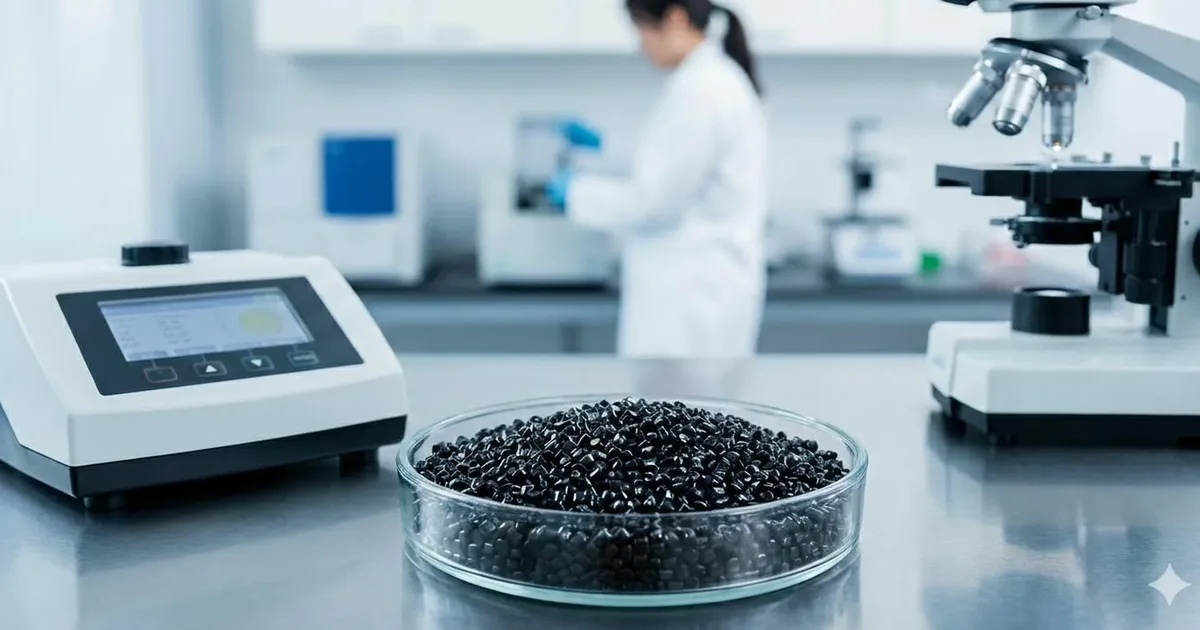
Masterbatch đen là hỗn hợp phân tán đậm đặc của bột màu carbon đen — thường từ 8% đến 49% theo khối lượng — trong một loại nhựa nền như polyethylene (PE), EVA, polypropylene (PP), SAN, polycarbonate (PC) hoặc nylon (PA). Thay vì cho bột carbon đen trực tiếp vào dây chuyền sản xuất, nhà gia công trộn một tỷ lệ nhỏ masterbatch đen (thường 1–4%) vào nhựa nguyên sinh hoặc tái chế trong quá trình đùn, ép phun hoặc thổi khuôn.
Kết quả là sản phẩm nhựa có màu đen tuyền đồng đều, độ che phủ cao, khả năng chống UV và — ở hàm lượng carbon đen cao hơn — đặc tính chống tĩnh điện hoặc dẫn điện, mà không có các rủi ro khi thao tác, bụi và độ phân tán không đều vốn đi kèm việc dùng bột carbon đen rời.
Bên trong masterbatch đen có gì
Một công thức masterbatch đen có ba thành phần, và cách kết hợp cụ thể quyết định toàn bộ cách nó hoạt động:
- Bột màu carbon đen — loại (ISAF, HAF, hoặc bột màu đen độ màu cao như HCB của Cabot) quyết định độ đen, ánh xanh nền và khả năng hấp thụ UV. Kích thước hạt mịn hơn thường cho màu đen sâu hơn và phân tán tốt hơn, nhưng khó gia công hơn.
- Nhựa nền — phải tương thích với loại nhựa cần tạo màu. Masterbatch trên nền LDPE/LLDPE/EVA phân tán sạch trong các dây chuyền màng PE; masterbatch cho nhựa kỹ thuật như PC, PA hoặc SAN dùng nhựa nền tương hợp để không làm suy giảm tính chất cơ học của nhựa gốc.
- Phụ gia và chất phân tán — các chất thấm ướt (như sáp PE hoặc EBS) bao phủ các hạt carbon đen để chúng phân tán đều dưới lực cắt, thay vì vón thành các đốm nhìn thấy được. Đây là yếu tố lớn nhất phân biệt một masterbatch làm tốt với loại rẻ tiền.
Masterbatch đen được sản xuất như thế nào
- Chọn nguyên liệu. Nhựa nền và loại carbon đen được chọn để phù hợp với nhựa gốc của khách hàng và hiệu năng mục tiêu — chống UV, tuân thủ tiếp xúc thực phẩm, độ bền cơ học, v.v.
- Trộn sơ bộ cường độ cao. Carbon đen, nhựa nền và phụ gia phân tán được trộn ở cường độ cao để đạt phân tán sơ bộ đồng đều trước khi đùn.
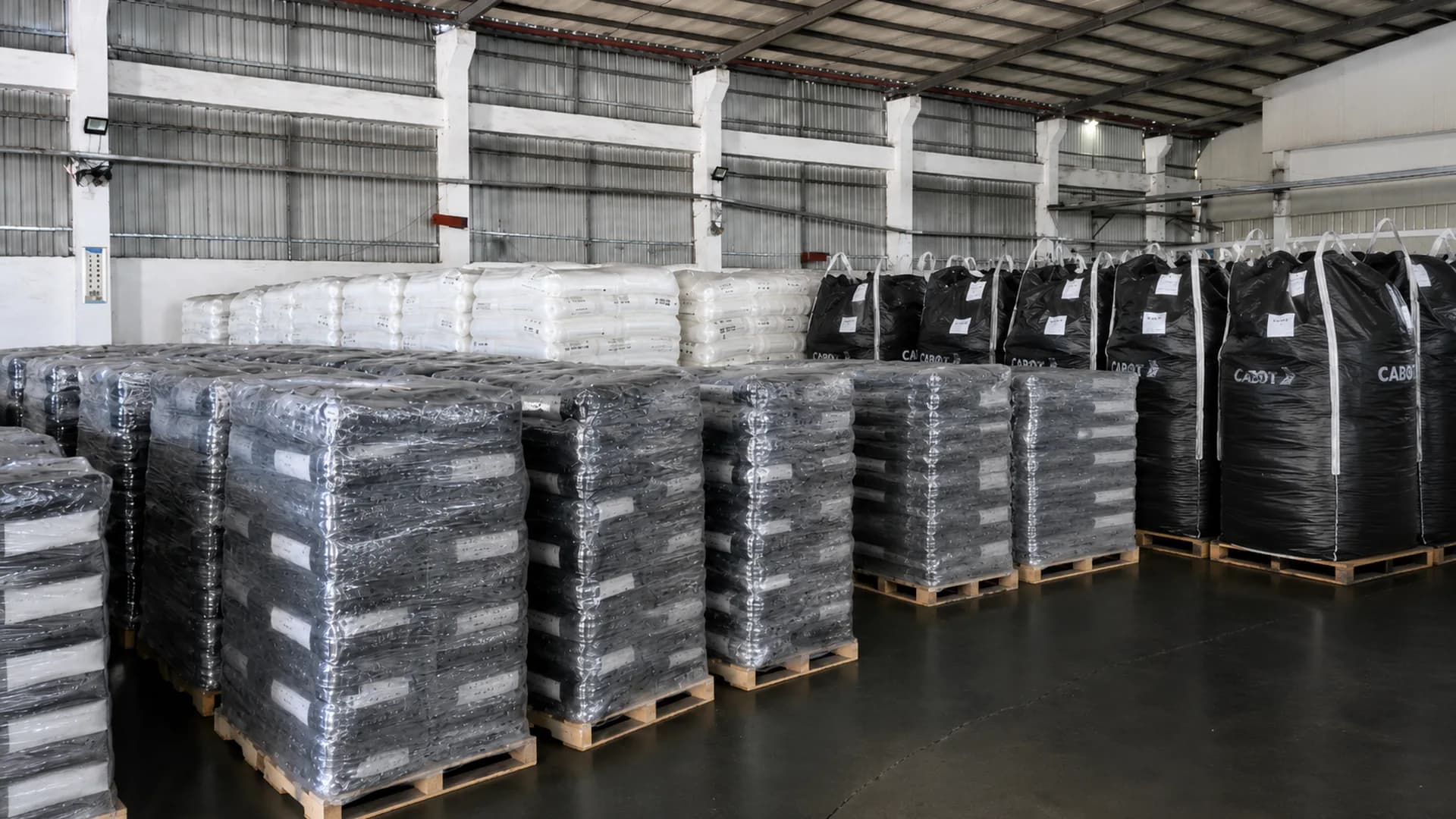
- Đùn trục vít đôi. Đùn trục vít đôi cùng chiều hai giai đoạn tạo lực cắt, nhiệt độ nóng chảy và thời gian lưu được kiểm soát để carbon đen được thấm ướt và phân tán hoàn toàn vào nhựa nền — giai đoạn này quyết định chất lượng phân tán và độ ổn định giữa các mẻ.
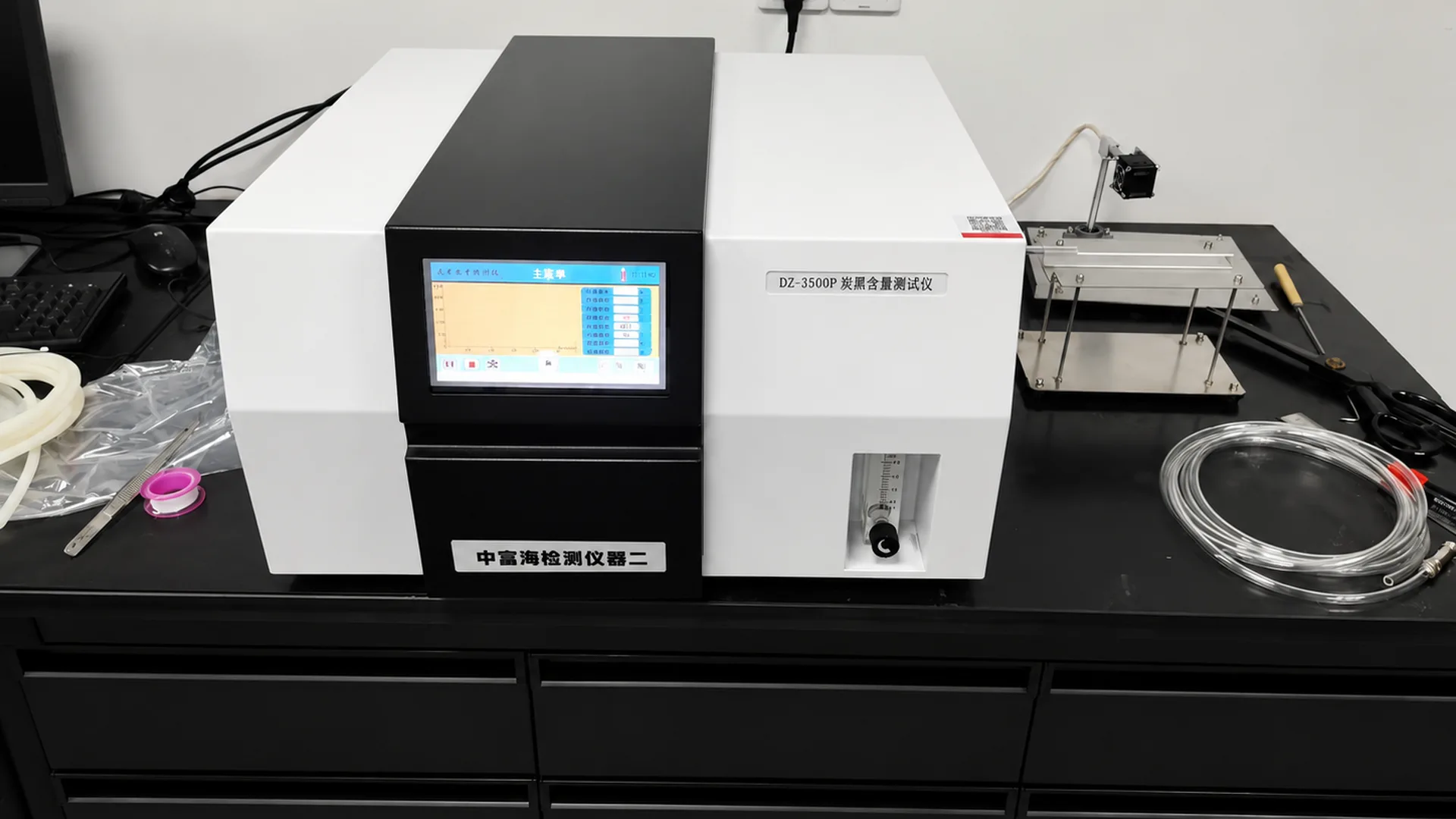
- Làm nguội, tạo hạt và kiểm tra chất lượng. Sợi đùn được làm nguội, cắt thành hạt và kiểm nghiệm — chỉ số chảy, mức phân tán và độ che phủ được đối chiếu với quy cách trước khi đóng gói và xuất mẻ.
Vì sao nhà sản xuất dùng masterbatch đen thay cho carbon đen thô
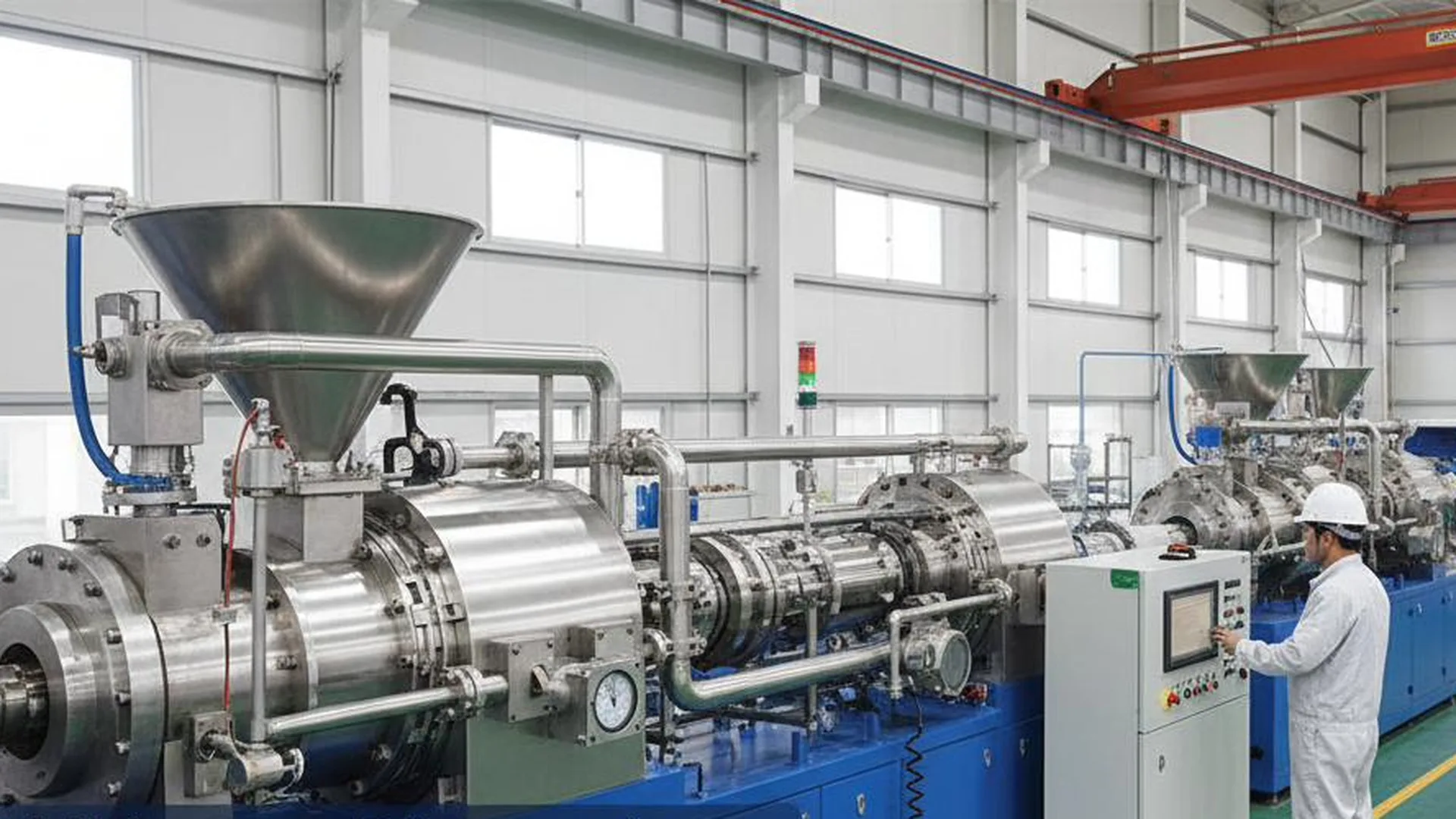
- Thao tác sạch hơn, an toàn hơn. Carbon đen thô là bột mịn nhiều bụi — một mối nguy tại nơi làm việc và vấn đề vệ sinh. Hạt masterbatch không bụi và được định lượng như bất kỳ loại nhựa nào khác.
- Màu ổn định, lặp lại được. Bột màu đã phân tán sẵn giúp mỗi mẻ cho cùng độ đen và độ che phủ, mẻ này qua mẻ khác — điều tối quan trọng trong sản xuất quy mô lớn, nơi lệch màu là một lỗi chất lượng.
- Bảo vệ chống UV và lão hóa. Carbon đen là một trong những chất ổn định UV hiệu quả và rẻ nhất. Ở hàm lượng đủ và phân tán mịn, nó chặn vật lý bức xạ UV không cho chạm tới mạch polymer, bảo vệ ống, cáp và màng ngoài trời khỏi phân hủy trong nhiều thập kỷ.
- Hiệu quả chi phí. Định lượng chính xác cho phép nhà gia công mua và lưu một loại nhựa nền cùng một số ít masterbatch cô đặc, thay vì trữ nhựa đã tạo màu sẵn ở mọi màu và mọi loại họ có thể cần.
- Gia cường cơ học. Với kích thước hạt và hàm lượng phù hợp, carbon đen có thể cải thiện độ bền kéo, độ bền va đập và độ chống mài mòn của chi tiết thành phẩm.
Các loại masterbatch đen
Không phải masterbatch đen nào cũng giống nhau — loại phù hợp phụ thuộc vào nhựa nền, hàm lượng carbon đen và việc ứng dụng có cần độ tinh khiết không chất độn, hàm lượng tái chế hay độ sâu màu tối đa hay không.
| Loại | Hàm lượng carbon đen điển hình | Nhựa nền | Phù hợp nhất cho |
|---|---|---|---|
| Masterbatch đen tiêu chuẩn PE/EVA | 30–45% | LDPE / LLDPE / EVA | Màng thổi & màng đúc, ép phun, ống & cáp |
| Masterbatch đen tái chế (rPE) | 10–43% | PE tái chế | Màng nhạy chi phí, túi rác, ép khuôn thông dụng |
| Đen độ màu cao (HCB) | 15–49% | PE / PP | Bao bì cao cấp, chi tiết trang trí ô tô, điện tử tiêu dùng |
| Masterbatch nhựa kỹ thuật | 25–40% | SAN / PC / PA / ABS / POM | Vỏ thiết bị điện tử, nội thất ô tô, chi tiết chính xác |
| Masterbatch hàm lượng tái chế bền vững (rCB) | 8–46% | rPE + rEVA | Túi chuyển phát/túi rác, màng xây dựng — mục tiêu hàm lượng tái chế của EU |
Xem đầy đủ quy cách cho từng loại trên trang Sản phẩm masterbatch của chúng tôi, gồm cả dòng bền vững Y-Series và masterbatch nhựa kỹ thuật.
Loại không chất độn so với loại có chất độn. Masterbatch không chất độn chỉ chứa carbon đen, nhựa nền và phụ gia gia công — không có chất độn khoáng như canxi cacbonat. Đây là lựa chọn đúng cho nhựa kỹ thuật, màng mỏng nơi chất độn có thể gây vi rỗ, và mọi ứng dụng có yêu cầu cơ học nghiêm ngặt. Loại có chất độn dùng chất độn khoáng để hạ chi phí trong khi vẫn giữ độ che phủ, và phù hợp cho bao bì thông dụng, túi rác và vật liệu xây dựng nơi độ chính xác cơ học ít quan trọng hơn.
Cách chọn đúng masterbatch đen
- Khớp nhựa nền với polymer gốc của bạn. Masterbatch nền PE sẽ không phân tán đúng trong PC hoặc PA — luôn xác nhận tính tương thích của nhựa nền trước tiên.
- Xác nhận hàm lượng carbon đen so với độ che phủ mục tiêu. Màng thành mỏng thường cần %CB cao hơn hoặc tỷ lệ thêm cao hơn để đạt độ che phủ đầy đủ; chi tiết dày hơn có thể dùng loại kinh tế hơn với CB thấp hơn.
- Quyết định cần loại không chất độn hay có chất độn. Không chất độn cho chi tiết kỹ thuật và màng mỏng; có chất độn cho ứng dụng thông dụng, hướng chi phí.
- Kiểm tra yêu cầu về UV và thời tiết. Ứng dụng ngoài trời — ống, cáp, màng nông nghiệp — cần loại và hàm lượng carbon đen phù hợp riêng cho phơi UV dài hạn, không phải bất kỳ bột màu đen nào.
- Kiểm chứng hồ sơ tuân thủ. Với ứng dụng tiếp xúc thực phẩm, đồ chơi hoặc xuất khẩu, hãy yêu cầu báo cáo thử nghiệm bên thứ ba (RoHS, REACH SVHC, tiếp xúc thực phẩm FDA/GB) — không chỉ lời cam kết của nhà cung cấp.
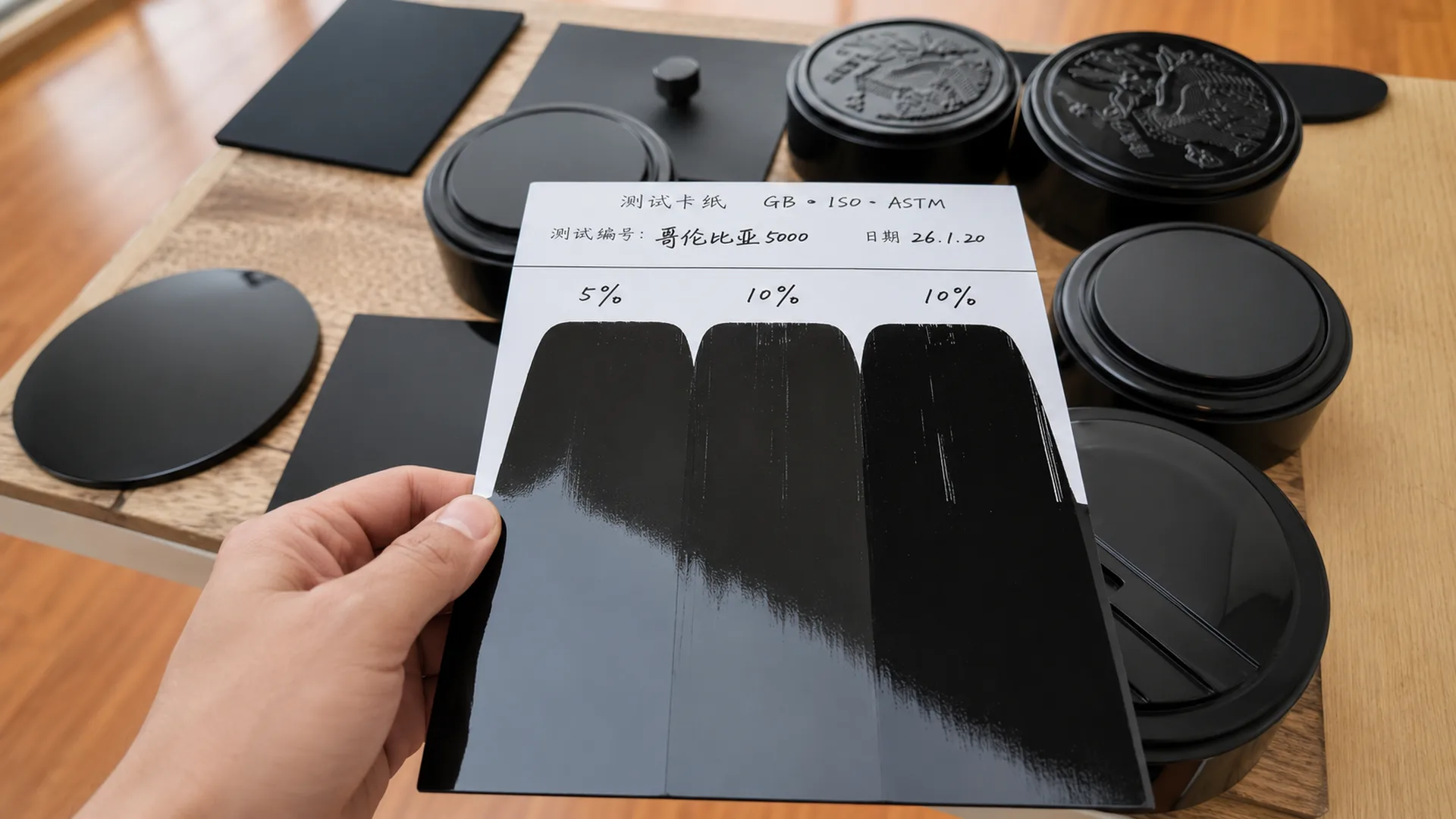
- Yêu cầu mẫu và TDS trước khi cam kết số lượng lớn. Chất lượng phân tán khác nhau đáng kể giữa các nhà cung cấp ngay cả ở cùng %CB danh nghĩa; chạy thử mẻ nhỏ trên chính dây chuyền của bạn là cách đáng tin cậy duy nhất để xác nhận hiệu năng.
Tuân thủ và thử nghiệm: cần yêu cầu gì ở nhà cung cấp
Vì masterbatch đen đi vào bao bì thực phẩm, sản phẩm trẻ em và hàng xuất khẩu chịu quản lý của nhiều khu vực pháp lý, hồ sơ tuân thủ là điều bắt buộc đối với người mua nghiêm túc. Tối thiểu, hãy yêu cầu:
- EU RoHS (EU) 2015/863 — hạn chế chì, thủy ngân, cadmi, crom hóa trị sáu và một số phthalate.
- EN 71-3:2019+A2:2024 — thử nghiệm di trú nguyên tố cho ứng dụng liên quan an toàn đồ chơi.
- REACH SVHC — sàng lọc theo danh mục các chất rất đáng quan ngại của EU.
- Tuân thủ tiếp xúc thực phẩm FDA / GB — bắt buộc cho mọi bao bì hoặc sản phẩm chạm vào thực phẩm.
Một nhà cung cấp có thể xuất trình báo cáo thử nghiệm độc lập của bên thứ ba từ SGS hoặc tương đương — không chỉ một tờ dữ liệu — là đang cho bạn thấy kiểm soát chất lượng thực sự, chứ không phải lời quảng cáo. Xem báo cáo thử nghiệm và chứng nhận được SGS kiểm chứng của chúng tôi làm ví dụ về hồ sơ đầy đủ trông ra sao.
Câu hỏi thường gặp
Tỷ lệ thêm điển hình của masterbatch đen là bao nhiêu? Hầu hết các loại CB tiêu chuẩn được dùng ở tỷ lệ thêm 1–4%, tùy độ che phủ yêu cầu, nhựa gốc và phương pháp gia công. Các loại CB cao hơn (40–49%) đạt độ che phủ đầy đủ ở đầu thấp của dải này.
Có thể dùng masterbatch đen với nhựa tái chế không? Có. Các loại masterbatch nền tái chế và carbon đen tái chế (rCB) được pha chế riêng để phân tán tốt trong dòng PE và PP tái chế, cho độ che phủ và độ ổn định tương đương loại gốc nguyên sinh trong khi vẫn hỗ trợ các mục tiêu hàm lượng tái chế.
Masterbatch đen có ảnh hưởng đến tính chất cơ học của sản phẩm cuối không? Nó có thể cải thiện (độ bền kéo, độ bền va đập và chống mài mòn) khi loại carbon đen, kích thước hạt và hàm lượng được khớp đúng với nhựa gốc — hoặc làm yếu đi nếu dùng sai loại, nhiều chất độn, trong ứng dụng đòi hỏi hiệu năng cơ học cao. Vì vậy việc chọn nhựa nền và chất độn quan trọng ngang với màu sắc.
Masterbatch đen khác gì với việc thêm bột carbon đen trực tiếp? Bột carbon đen thô khó phân tán đều, tạo bụi và rủi ro thao tác, và cho màu không nhất quán giữa các mẻ. Masterbatch phân tán sẵn bột màu trong nhựa nền dưới lực cắt được kiểm soát, nên nhà gia công có thao tác sạch và màu lặp lại được với định lượng đơn giản.
Chưa chắc loại nào hợp với dây chuyền của bạn?
Dùng công cụ tìm loại masterbatch của chúng tôi để khớp nhựa, quy trình và ưu tiên của bạn với một loại khởi đầu, hoặc yêu cầu TDS và mẫu trực tiếp từ đội ngũ kỹ thuật của chúng tôi.