El masterbatch negro explicado: composición, fabricación, tipos y cómo elegir
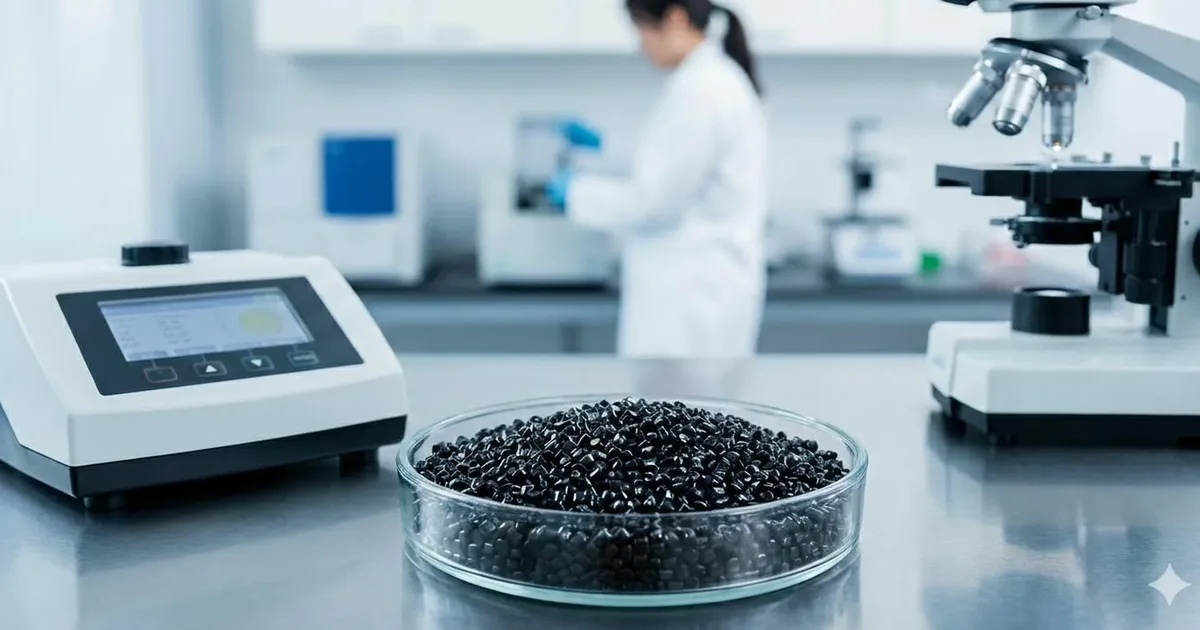
¿Qué es el masterbatch negro?
El masterbatch negro es una dispersión concentrada de pigmento de negro de humo —normalmente del 8% al 49% en peso— en una resina portadora como polietileno (PE), EVA, polipropileno (PP), SAN, policarbonato (PC) o nylon (PA). En lugar de añadir negro de humo en polvo directamente a la línea de producción, los transformadores mezclan un pequeño porcentaje de masterbatch negro (por lo general 1–4%) en plástico virgen o reciclado durante la extrusión, el moldeo por inyección o el moldeo por soplado.
El resultado es un producto plástico con color negro azabache uniforme, alta opacidad, resistencia a los UV y —a mayores cargas de negro de humo— propiedades antiestáticas o conductoras, sin los riesgos de manipulación, el polvo y la dispersión irregular que conlleva usar negro de humo suelto en polvo.
Qué contiene el masterbatch negro
Una formulación de masterbatch negro tiene tres componentes, y su combinación concreta determina todo su comportamiento:
- Pigmento de negro de humo — el tipo (ISAF, HAF o un pigmento de alto color como el HCB de Cabot) determina la intensidad del negro, el matiz azulado y la fuerza de absorción de UV. Un tamaño de partícula más fino suele significar un negro más profundo y mejor dispersión, pero es más difícil de procesar.
- Resina portadora — debe ser compatible con la resina que se va a colorear. Un masterbatch sobre un portador LDPE/LLDPE/EVA se dispersa limpiamente en líneas de película de PE; un masterbatch para resinas de ingeniería como PC, PA o SAN usa portadores adaptados para no comprometer las propiedades mecánicas de la resina base.
- Aditivos y dispersantes — los agentes humectantes (como la cera de PE o el EBS) recubren las partículas de negro de humo para que se dispersen de manera uniforme bajo cizalla, en vez de aglomerarse en motas visibles. Este es el factor que más diferencia un masterbatch bien hecho de uno barato.
Cómo se fabrica el masterbatch negro
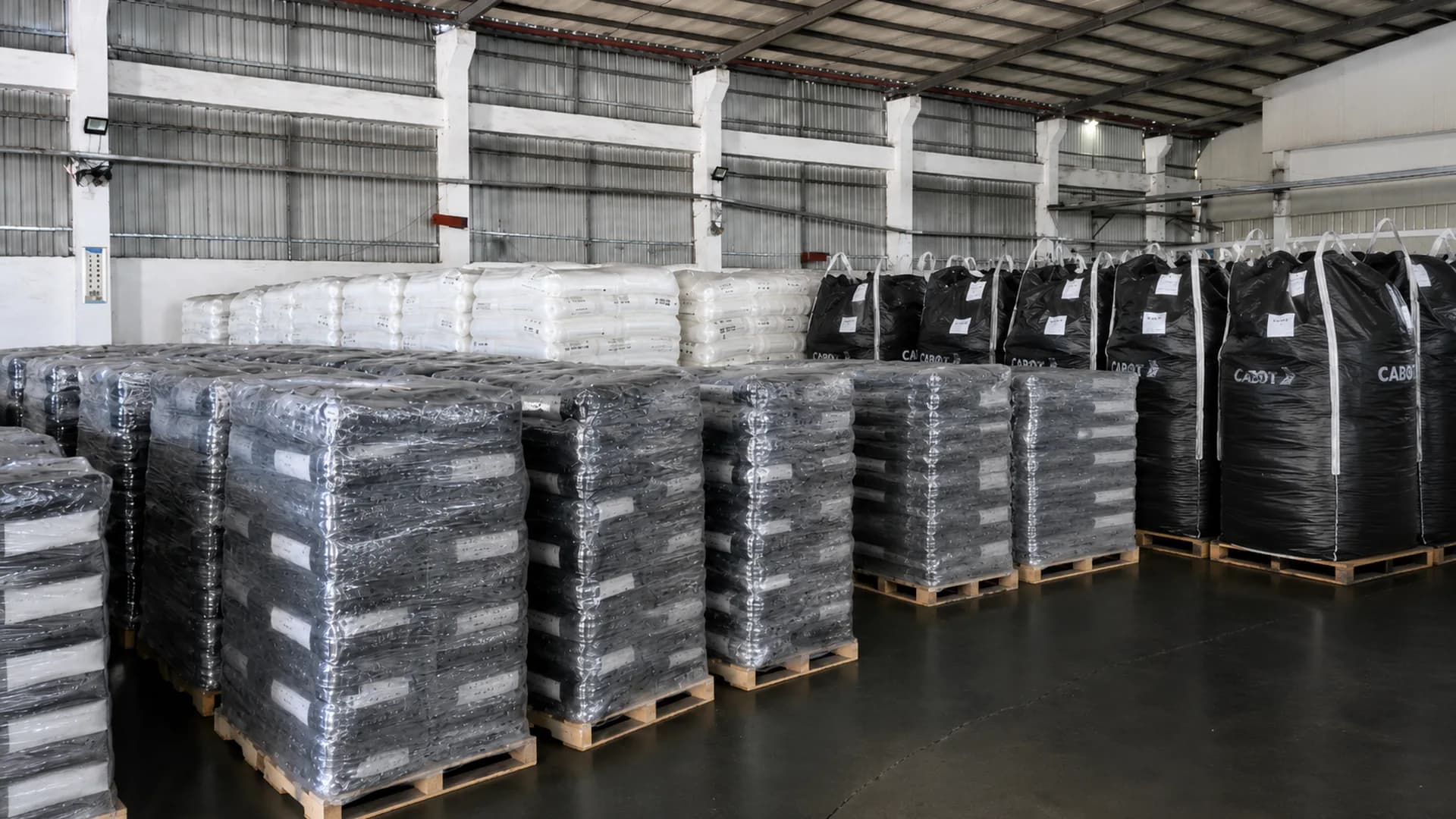
- Selección de materias primas. La resina portadora y el grado de negro de humo se eligen para adaptarse a la resina base del cliente y al rendimiento objetivo: resistencia UV, conformidad para contacto alimentario, resistencia mecánica, etc.
- Premezclado de alta intensidad. El negro de humo, la resina portadora y los aditivos dispersantes se mezclan a alta intensidad para lograr una predispersión uniforme antes de la extrusión.
- Extrusión de doble husillo. La extrusión de doble husillo corrotante en dos etapas aplica cizalla, temperatura de fusión y tiempo de residencia controlados para que el negro de humo quede totalmente humectado y disperso en el portador; esta etapa determina la calidad de dispersión y la consistencia entre lotes.
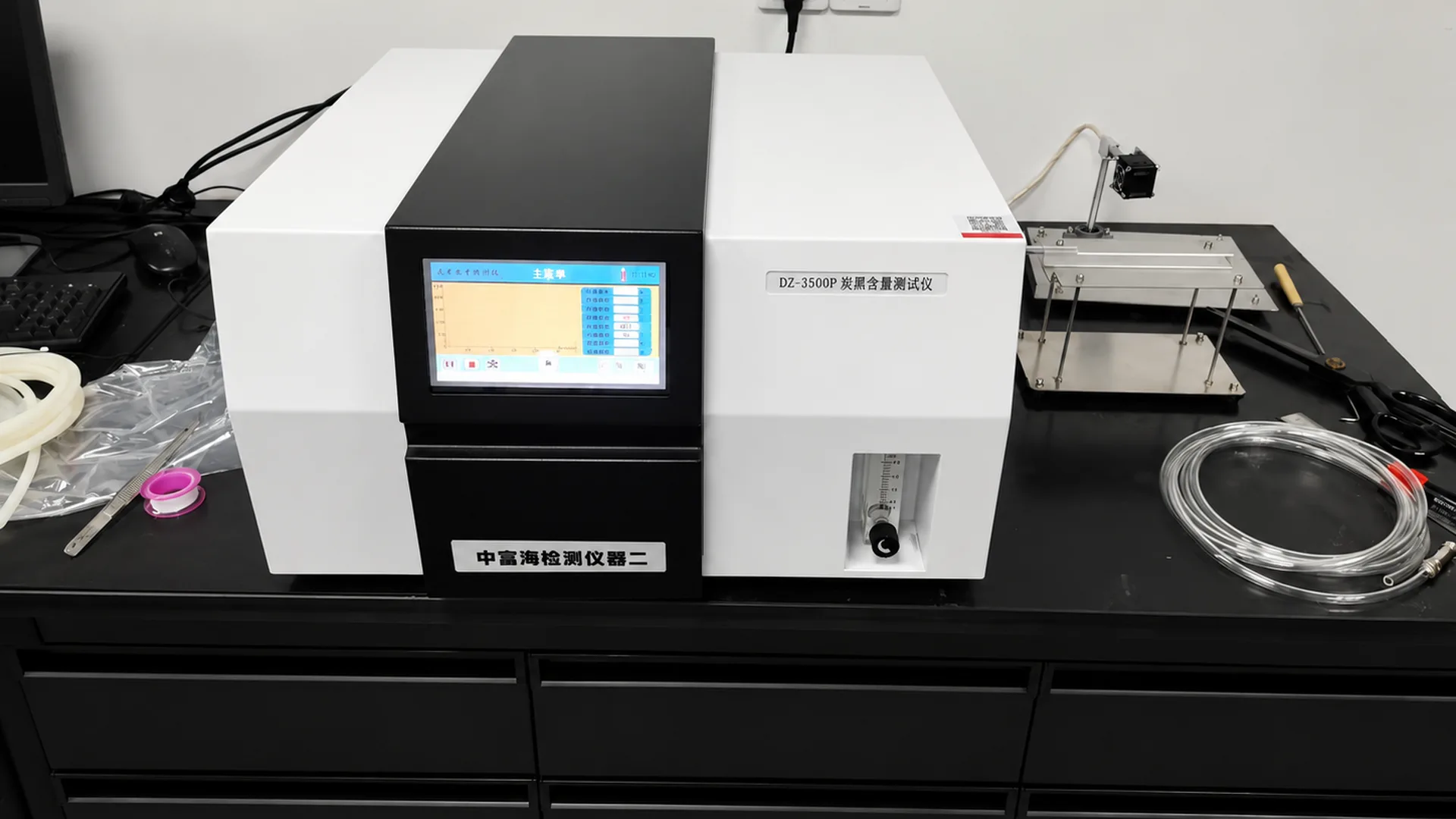
- Enfriamiento, granulado y control de calidad. El hilo extruido se enfría, se corta en gránulos y se ensaya: se verifican el índice de fluidez, la valoración de dispersión y la opacidad frente a especificación antes de envasar y expedir el lote.
Por qué los fabricantes usan masterbatch negro en lugar de negro de humo puro
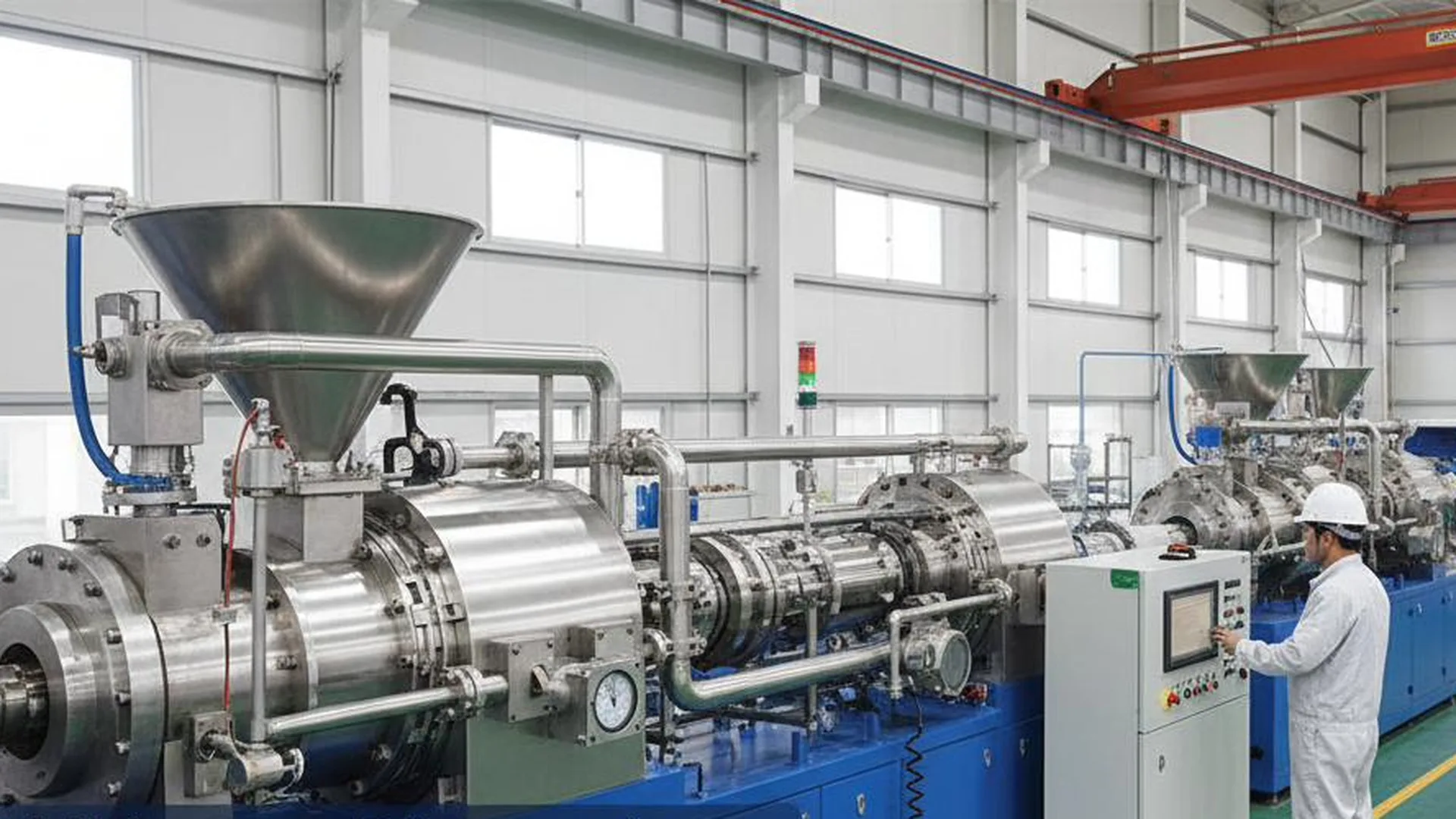
- Manipulación más limpia y segura. El negro de humo puro es un polvo fino y polvoriento: un riesgo laboral y un problema de limpieza. Los gránulos de masterbatch no generan polvo y se dosifican como cualquier otra resina.
- Color uniforme y repetible. El pigmento predispersado hace que cada lote ofrezca la misma negrura y opacidad, lote tras lote, algo crítico en producción a gran escala, donde la deriva de color es un defecto de calidad.
- Protección frente a UV y envejecimiento. El negro de humo es uno de los estabilizadores UV más eficaces y económicos. A carga suficiente y con dispersión fina, bloquea físicamente la radiación UV para que no alcance la cadena polimérica, protegiendo tuberías, cables y películas de exterior de la degradación durante décadas.
- Eficiencia de costes. La dosificación precisa permite a los transformadores comprar y almacenar una resina portadora más un pequeño número de concentrados, en vez de tener resina precoloreada en cada color y grado que puedan necesitar.
- Refuerzo mecánico. Con el tamaño de partícula y la carga adecuados, el negro de humo puede mejorar la resistencia a la tracción, al impacto y al desgaste de la pieza final.
Tipos de masterbatch negro
No todos los masterbatch negros son iguales: el tipo adecuado depende de la resina portadora, del contenido de negro de humo y de si la aplicación necesita pureza sin cargas, contenido reciclado o máxima profundidad de color.
| Tipo | Contenido típico de negro de humo | Portador | Ideal para |
|---|---|---|---|
| Masterbatch negro estándar PE/EVA | 30–45% | LDPE / LLDPE / EVA | Película soplada y colada, moldeo por inyección, tubería y cable |
| Masterbatch negro reciclado (rPE) | 10–43% | PE reciclado | Película sensible al coste, bolsas de basura, moldeo general |
| Masterbatch de alto color (HCB) | 15–49% | PE / PP | Envases premium, molduras de automoción, electrónica de consumo |
| Masterbatch para plásticos de ingeniería | 25–40% | SAN / PC / PA / ABS / POM | Carcasas electrónicas, interiores de automoción, piezas de precisión |
| Masterbatch con contenido reciclado sostenible (rCB) | 8–46% | rPE + rEVA | Bolsas de mensajería/basura, película de construcción — objetivos de contenido reciclado de la UE |
Consulta las especificaciones completas de cada tipo en nuestra página de Productos de masterbatch, incluido el grado sostenible Y-Series y el masterbatch para plásticos de ingeniería.
Grados sin carga vs. grados con carga. El masterbatch sin carga contiene solo negro de humo, resina portadora y aditivos de proceso, sin cargas minerales como el carbonato de calcio. Es la opción correcta para plásticos de ingeniería, película fina donde la carga puede provocar microporosidad y cualquier aplicación con requisitos mecánicos estrictos. Los grados con carga usan cargas minerales para reducir el coste manteniendo la opacidad, y funcionan bien en envases generales, bolsas de basura y materiales de construcción, donde la precisión mecánica importa menos.
Cómo elegir el masterbatch negro adecuado
- Adapta la resina portadora a tu polímero base. Un masterbatch con portador de PE no se dispersará correctamente en PC o PA: confirma siempre primero la compatibilidad del portador.
- Confirma el contenido de negro de humo frente a tu opacidad objetivo. La película de pared fina suele necesitar un mayor %CB o una mayor tasa de adición para alcanzar la opacidad plena; las piezas más gruesas pueden usar un grado más económico y de menor CB.
- Decide si necesitas sin carga o con carga. Sin carga para piezas de ingeniería y película fina; con carga para aplicaciones de uso general y orientadas al coste.
- Revisa los requisitos de UV y envejecimiento. Las aplicaciones de exterior —tubería, cable, película agrícola— necesitan tipos y cargas de negro de humo específicamente adecuados a la exposición UV prolongada, no cualquier pigmento negro.
- Verifica la documentación de conformidad. Para aplicaciones de contacto alimentario, juguetes o exportación, pide informes de ensayo de terceros (RoHS, REACH SVHC, contacto alimentario FDA/GB), no solo la declaración del proveedor.
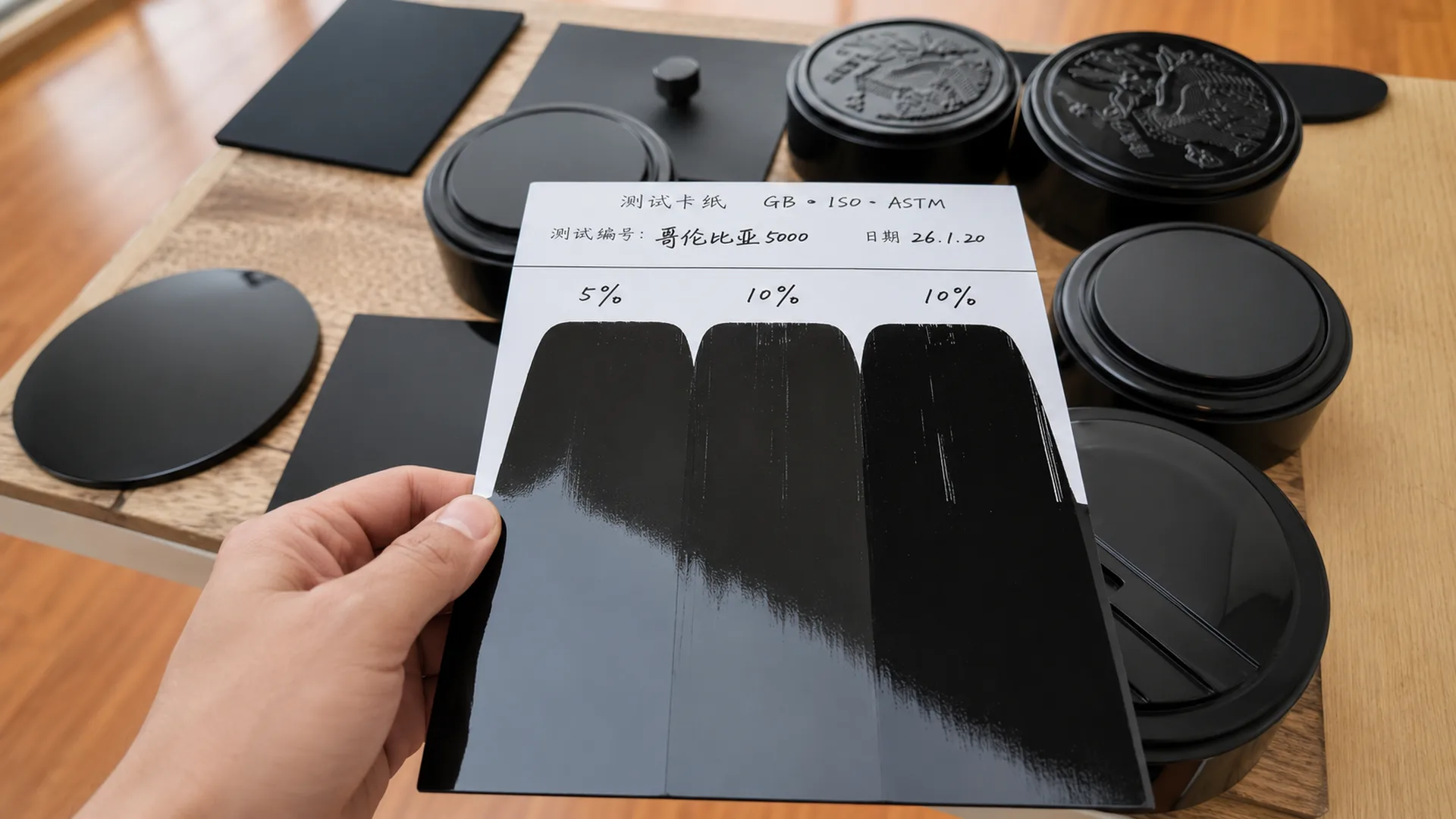
- Solicita una muestra y una TDS antes de comprometer volumen. La calidad de dispersión varía mucho entre proveedores incluso con el mismo %CB nominal; un ensayo de lote pequeño en tu propia línea es la única forma fiable de confirmar el rendimiento.
Conformidad y ensayos: qué pedir a tu proveedor
Como el masterbatch negro termina en envases alimentarios, productos infantiles y bienes de exportación regulados por múltiples jurisdicciones, la documentación de conformidad no es opcional para un comprador serio. Como mínimo, pide:
- EU RoHS (UE) 2015/863 — restringe plomo, mercurio, cadmio, cromo hexavalente y varios ftalatos.
- EN 71-3:2019+A2:2024 — ensayo de migración de elementos para aplicaciones relevantes en seguridad de juguetes.
- REACH SVHC — cribado frente a la lista de Sustancias Extremadamente Preocupantes de la UE.
- Conformidad de contacto alimentario FDA / GB — obligatoria para cualquier envase o producto que toque alimentos.
Un proveedor capaz de aportar informes de ensayo independientes de terceros de SGS o equivalente —no solo una ficha técnica— te está demostrando control de calidad real, no argumentos de marketing. Consulta nuestros informes de ensayo y certificaciones verificados por SGS como ejemplo de lo que es una documentación completa.
Preguntas frecuentes
¿Cuál es la tasa de adición típica del masterbatch negro? La mayoría de los grados de CB estándar se usan a una tasa de adición del 1–4%, según la opacidad requerida, la resina base y el método de procesamiento. Los grados de mayor CB (40–49%) alcanzan la opacidad plena en el extremo inferior de ese rango.
¿Se puede usar el masterbatch negro con plástico reciclado? Sí. Los grados de masterbatch con portador reciclado y con negro de humo reciclado (rCB) están formulados específicamente para dispersarse bien en flujos de PE y PP reciclados, ofreciendo una opacidad y consistencia comparables a las de los grados de base virgen y apoyando los objetivos de contenido reciclado.
¿Afecta el masterbatch negro a las propiedades mecánicas del producto final? Puede mejorarlas (resistencia a la tracción, al impacto y al desgaste) cuando el tipo de negro de humo, el tamaño de partícula y la carga se adaptan correctamente a la resina base, o debilitarlas si se usa el grado equivocado, cargado en exceso, en una aplicación que exige alto rendimiento mecánico. Por eso la elección de portador y carga importa tanto como el color.
¿En qué se diferencia el masterbatch negro de añadir negro de humo en polvo directamente? El negro de humo en polvo es difícil de dispersar de manera uniforme, genera polvo y riesgos de manipulación, y da un color inconsistente de un lote a otro. El masterbatch predispersa el pigmento en una resina portadora bajo cizalla controlada, así los transformadores obtienen una manipulación limpia y un color repetible con una dosificación sencilla.
¿No sabes qué grado encaja en tu línea?
Usa nuestro buscador de grados de masterbatch para adaptar tu resina, proceso y prioridad a un grado de partida, o solicita una TDS y una muestra directamente a nuestro equipo técnico.