Masterbatch hitam daur ulang: rPE, rCB, dan grade berkelanjutan dijelaskan
Mengapa masterbatch hitam daur ulang tumbuh
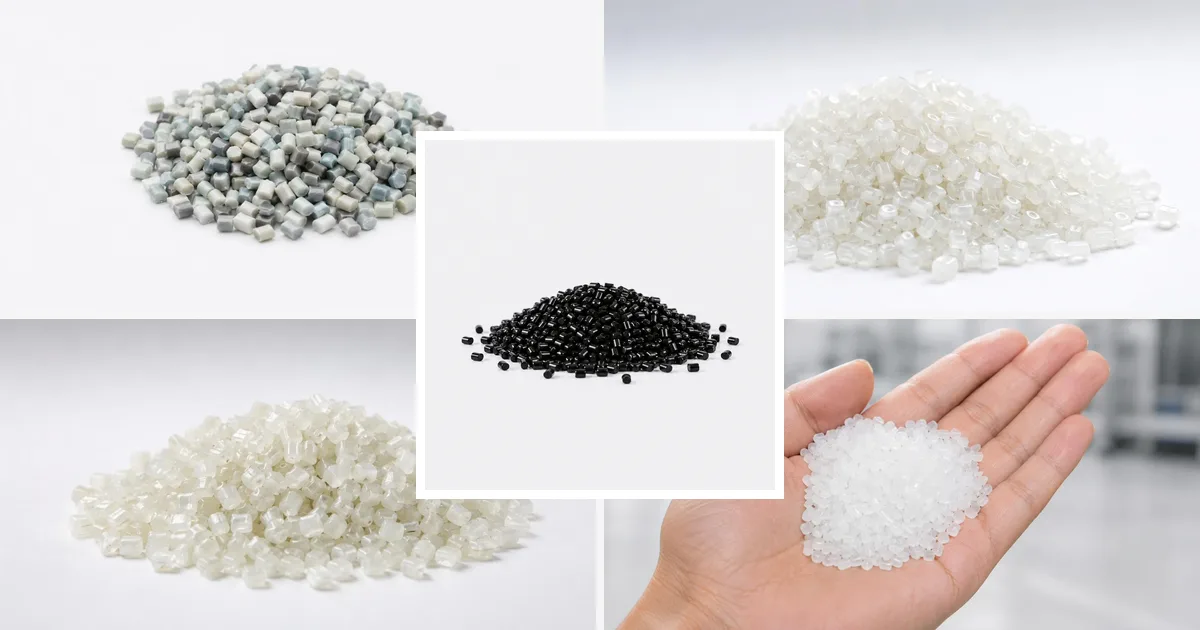
Selama bertahun-tahun, "daur ulang" dan "kinerja tinggi" diperlakukan sebagai lawan di dunia masterbatch — daur ulang berarti lebih murah, tetapi juga berarti kompromi. Itu tidak lagi benar. Didorong oleh komitmen keberlanjutan merek, permintaan yang tumbuh akan material rendah karbon, dan naiknya biaya polimer murni, masterbatch hitam daur ulang telah beralih dari opsi hemat menjadi opsi strategis.
Persoalannya, "daur ulang" mencakup beberapa hal yang sangat berbeda — resin pembawa daur ulang, karbon hitam daur ulang, atau keduanya — dan kesenjangan kinerja antara grade daur ulang yang dibuat baik dan yang dibuat buruk itu lebar. Panduan ini menjelaskan apa arti sebenarnya istilah-istilah tersebut, bagaimana grade daur ulang tampil dibanding grade murni, dan cara memilih satu yang memenuhi target biaya sekaligus persyaratan kepatuhan Anda.
Tiga jenis "daur ulang" dalam masterbatch hitam
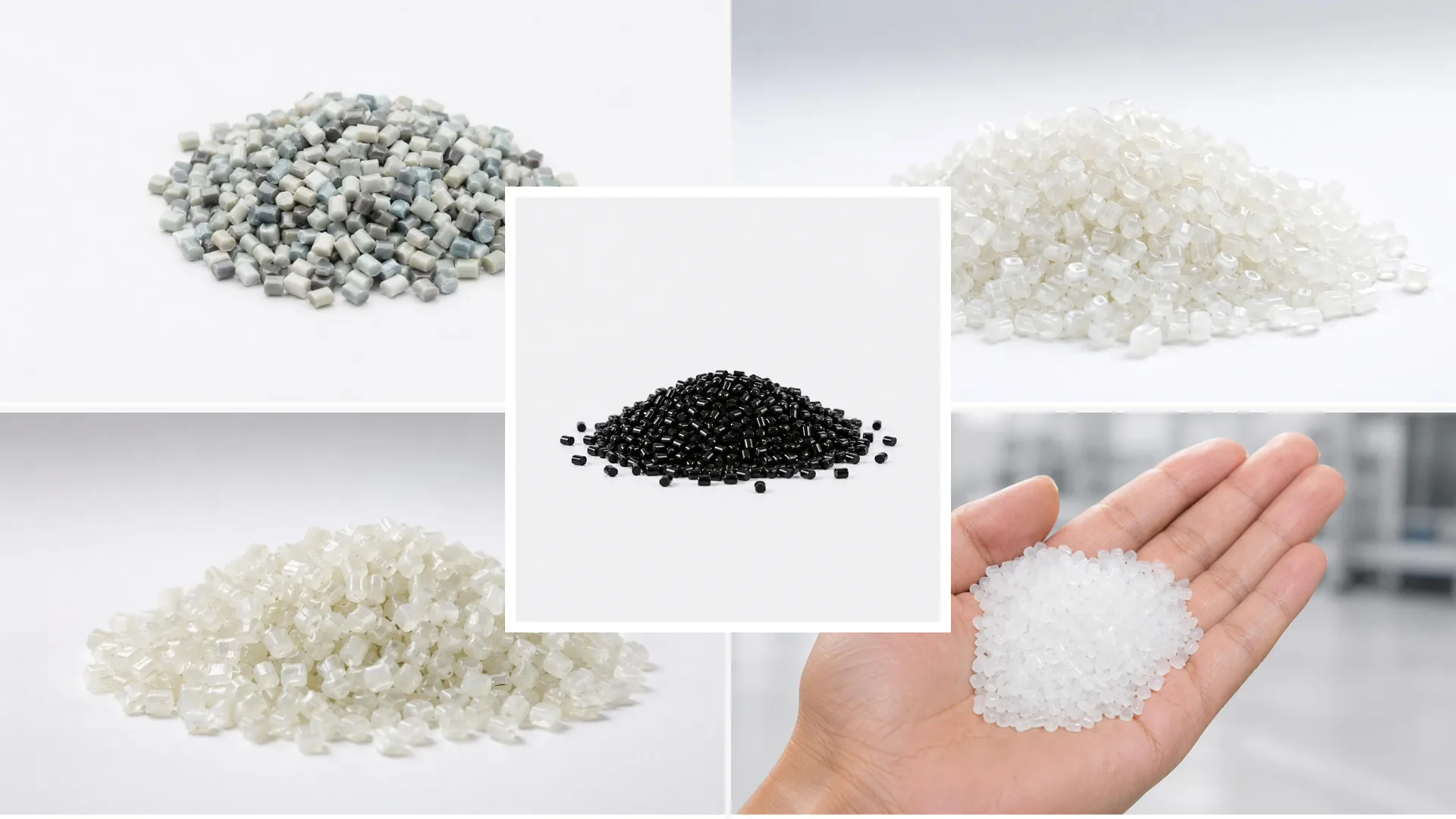
Ketika pemasok mengatakan sebuah masterbatch "daur ulang", itu bisa berarti salah satu dari tiga hal. Mengetahui yang mana yang Anda beli adalah perbedaan antara keberlanjutan nyata dan label pemasaran.
- Resin pembawa daur ulang (rPE / rPP). Polimer pembawa dibuat dari plastik daur ulang alih-alih resin murni. Ini bentuk masterbatch daur ulang yang paling umum — karbon hitamnya sendiri biasanya masih murni, tetapi sebagian besar produk adalah kandungan daur ulang.
- Karbon hitam daur ulang (rCB). Pigmennya sendiri dipulihkan — paling umum dari ban bekas pakai yang diproses melalui pirolisis — alih-alih diproduksi dari bahan baku murni. Ini lebih jarang dan lebih menuntut secara teknis, karena karbon hitam pulihan harus diproses dengan hati-hati agar menyamai dispersi dan kepekatan hitam grade murni.
- Keduanya digabung. Opsi paling berkelanjutan memasangkan pembawa daur ulang (rPE + rEVA) dengan karbon hitam daur ulang (rCB). Ini memaksimalkan kandungan daur ulang sambil, dengan proses yang tepat, menjaga kinerja mendekati grade murni.
Resin pembawa daur ulang (rPE / rPP)
Masterbatch hitam pembawa daur ulang menggantikan polimer pembawa murni dengan resin daur ulang pascaindustri atau pascakonsumsi. Karena masterbatch hitam berpigmen pekat dan sering dipakai pada bagian yang tidak kritis penampilan, ini tempat ideal untuk memasukkan kandungan daur ulang — warna hitam pekat menyembunyikan variasi warna kecil yang bisa dibawa resin daur ulang.
Di mana cocok:
- Kantong sampah, kantong kurir, dan film konstruksi, di mana opasitas penting tetapi permukaan tidak kritis penampilan.
- Cetak injeksi serbaguna untuk bagian yang tidak terlihat atau industri.
- Aplikasi sensitif harga, di mana pembawa daur ulang menurunkan biaya sekaligus jejak karbon.
Hal utama yang harus diverifikasi adalah konsistensi: aliran resin daur ulang lebih bervariasi daripada murni, jadi pemasok serius mengendalikan material masuk dan menyesuaikan formulasi untuk menjaga output tetap stabil. Tanyakan bagaimana mereka menangani variasi bahan baku — jawabannya memberi tahu apakah Anda membeli produk rekayasa atau skrap yang dikemas ulang.
Karbon hitam daur ulang (rCB) dan pendekatan Y-Series
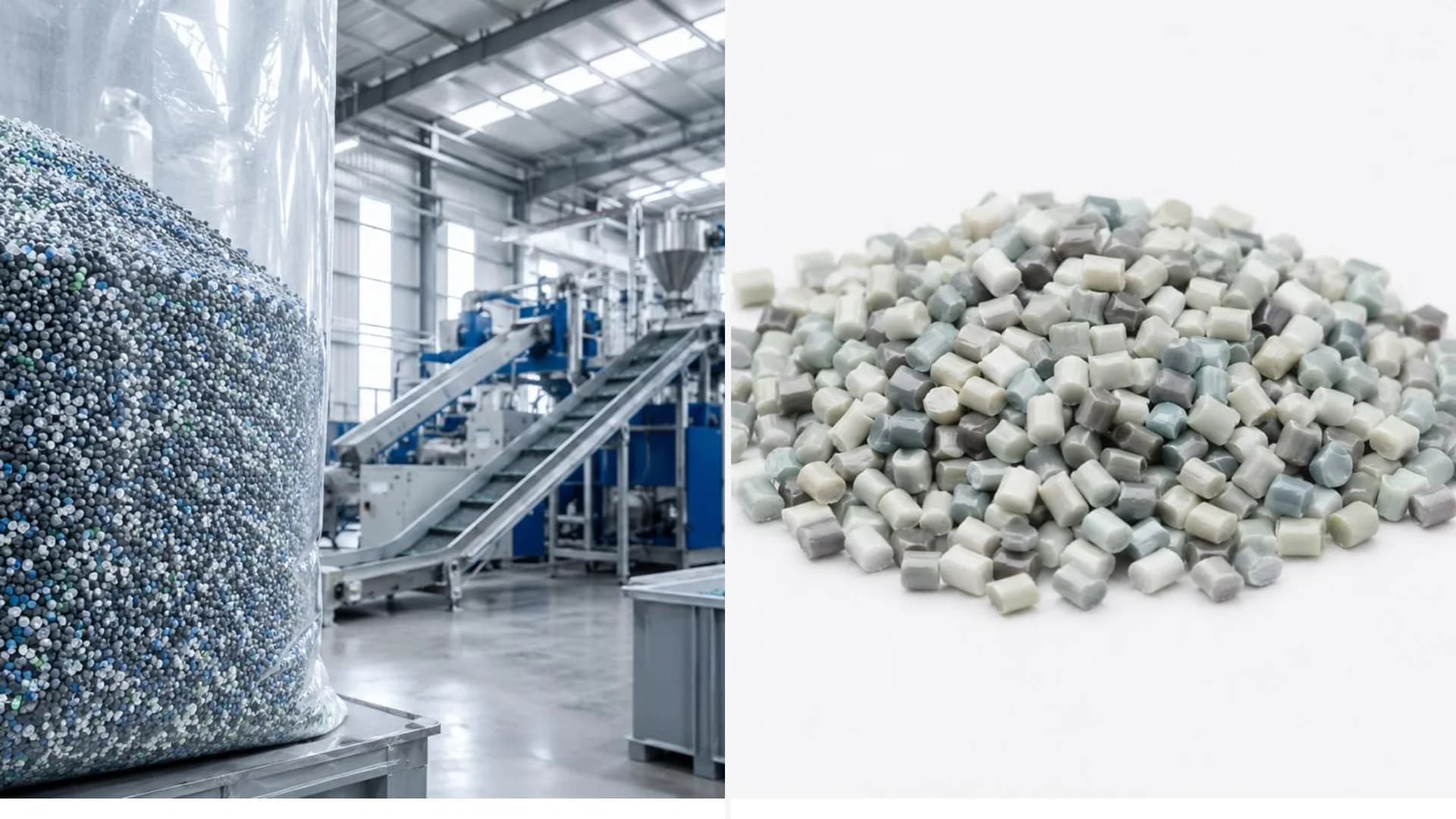
Karbon hitam daur ulang adalah ujung yang lebih maju dari masterbatch berkelanjutan. Alih-alih memproduksi karbon hitam dari bahan baku minyak atau gas murni, rCB memulihkan karbon hitam — paling umum dari ban bekas pakai yang diurai melalui pirolisis. Argumen lingkungannya kuat: ini mengalihkan ban limbah dari TPA dan menurunkan jejak karbon pigmen itu sendiri.
Tantangan teknisnya adalah dispersi. Karbon hitam pulihan kurang seragam daripada murni, sehingga perlu pemrosesan cermat untuk mencapai kepekatan hitam dan dispersi yang diharapkan pembeli. Di sinilah persis metode pembuatan menjadi penting: ekstrusi ulir ganda intensitas tinggi dua tahap dapat mendekatkan dispersi masterbatch berbasis rCB ke grade murni, sementara proses geseran rendah tidak bisa.
Masterbatch berkelanjutan Y-Series dari ZFH dibangun di atas pendekatan ini — pembawa daur ulang rPE + rEVA dipadukan dengan HAF dan karbon hitam daur ulang (rCB), pada kandungan karbon hitam 8–46%. Diproses melalui ekstrusi intensitas tinggi dua tahap, ia memberikan dispersi setara grade murni, menjadikannya opsi berkandungan daur ulang yang kompetitif biaya untuk kantong kurir dan sampah, film konstruksi, ekstrusi pipa, dan bagian cetak.
Bagaimana grade daur ulang tampil vs. murni
Jawaban jujurnya: grade daur ulang yang dibuat baik bisa tampil sangat dekat dengan murni untuk sebagian besar aplikasi, tetapi kesenjangannya sepenuhnya bergantung pada cara pembuatannya. Berikut perbandingan yang realistis.
| Sifat | Masterbatch hitam murni | Grade daur ulang dibuat baik | Grade daur ulang dibuat buruk |
|---|---|---|---|
| Dispersi | Sangat baik | Setara (dengan pemrosesan geseran tinggi) | Tidak konsisten, gel/bintik |
| Opasitas | Penuh | Penuh | Bervariasi |
| Konsistensi antarbatch | Tinggi | Tinggi (dengan kontrol bahan baku) | Rendah |
| Jejak karbon | Lebih tinggi | Lebih rendah | Lebih rendah |
| Biaya | Lebih tinggi | Kompetitif | Terendah (tetapi berisiko) |
Intinya: daur ulang tidak harus berarti kompromi — tetapi hanya jika pemasok mengendalikan bahan baku dan menggunakan proses dispersi yang tepat. Inilah mengapa *siapa* yang membuat masterbatch daur ulang Anda bahkan lebih penting daripada untuk grade murni.
Cara memilih masterbatch hitam daur ulang
- Putuskan "daur ulang" mana yang benar-benar Anda butuhkan — pembawa daur ulang (rPE), karbon hitam daur ulang (rCB), atau keduanya — berdasarkan target biaya dan tujuan keberlanjutan Anda.
- Cocokkan dulu dengan aplikasi industri atau yang tidak kritis penampilan — grade daur ulang paling mudah diadopsi di mana hitam pekat dibutuhkan tetapi kesempurnaan permukaan tidak.
- Konfirmasi proses pembuatan — ekstrusi ulir ganda dua tahap geseran tinggi adalah yang membuat grade daur ulang tampil mendekati murni. Tanyakan langsung.
- Verifikasi kontrol bahan baku — pemasok yang mengelola variasi material daur ulang yang masuk memberikan output konsisten; yang tidak akan meneruskan variasi itu kepada Anda.
- Selalu jalankan uji lini — grade daur ulang lebih menghargai validasi pada proses aktual Anda dibanding jenis lain mana pun.
Pertanyaan yang sering diajukan
Apakah masterbatch hitam daur ulang tampil sebaik yang murni? Untuk sebagian besar aplikasi, grade daur ulang yang dibuat baik tampil sangat dekat dengan murni — dispersi setara, opasitas penuh, dan batch konsisten — asalkan pemasok mengendalikan mutu bahan baku dan menggunakan proses ekstrusi geseran tinggi dua tahap. Kesenjangan kinerja disebabkan oleh pembuatan yang buruk, bukan oleh kandungan daur ulang itu sendiri. Untuk permukaan kritis penampilan dan berkilau tinggi, grade murni atau hitam berwarna tinggi mungkin masih lebih disukai.
Apa itu karbon hitam daur ulang (rCB)? Karbon hitam daur ulang adalah karbon hitam yang dipulihkan alih-alih diproduksi dari bahan baku murni — paling umum dipulihkan dari ban bekas pakai melalui pirolisis. Ia menurunkan jejak karbon pigmen dan mengalihkan limbah dari TPA. Karena karbon hitam pulihan kurang seragam daripada murni, ia memerlukan pemrosesan cermat untuk menyamai dispersi dan kepekatan hitam murni, itulah sebabnya metode pembuatan sangat penting untuk grade berbasis rCB.
Bisakah masterbatch hitam daur ulang dipakai untuk kemasan kontak pangan? Ini bergantung pada grade spesifik dan sumber daur ulangnya. Kandungan daur ulang dan kepatuhan kontak pangan dievaluasi secara terpisah — selalu konfirmasi dengan pemasok Anda bahwa grade spesifik memegang sertifikasi kontak pangan (FDA / GB) yang dibutuhkan aplikasi Anda, didukung laporan uji pihak ketiga, sebelum memakainya pada kemasan pangan.
Berapa banyak masterbatch hitam daur ulang dapat menurunkan biaya saya? Penghematan bergantung pada grade dan harga bahan baku saat ini, tetapi masterbatch pembawa daur ulang atau berkandungan daur ulang umumnya lebih kompetitif biaya daripada grade murni setara, karena bahan baku daur ulang lebih murah daripada polimer murni dan karbon hitam murni. Kuncinya, penghematan tidak boleh mengorbankan dispersi atau konsistensi — grade daur ulang yang dibuat baik menurunkan biaya sambil menjaga kinerja, sedangkan grade daur ulang termurah memangkas biaya dengan memangkas kualitas. Minta sampel dan bandingkan kinerja total, bukan hanya harga.
Siap beralih ke daur ulang?
Jelajahi masterbatch berkelanjutan Y-Series kami dengan pembawa daur ulang rPE + rEVA dan karbon hitam daur ulang, telusuri rentang produk lengkap, atau minta sampel dan TDS untuk menguji grade daur ulang pada lini Anda sendiri. Ingin dasarnya dulu? Baca apa itu masterbatch hitam dan bagaimana dibuat, atau cara memilih pemasok yang andal.
---