¿Puede el masterbatch negro reciclado cumplir plenamente? Cómo nuestro grado 6020 supera RoHS, REACH, California Prop 65 y PAHs
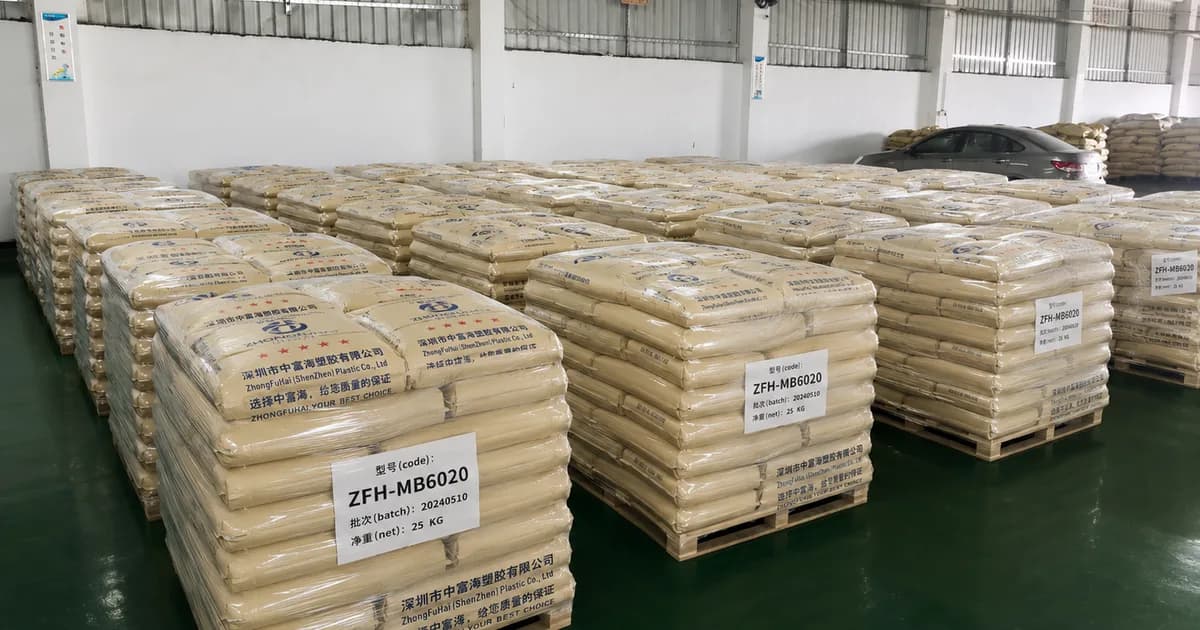
La mayor duda sobre el masterbatch reciclado: ¿es seguro y conforme?
Para muchos compradores, la vacilación en torno al masterbatch negro reciclado no es por el rendimiento — es por la conformidad. Como el material reciclado procede de plástico reprocesado en lugar de materia prima virgen, existe la suposición común de que no puede confiarse en que cumpla las mismas normas internacionales estrictas que los grados vírgenes, y que usarlo pone en riesgo las aprobaciones de exportación o el espacio en estantería.
Es una preocupación legítima, y es justo la que impide a muchas empresas adoptar contenido reciclado aunque quieran. Pero se apoya en una suposición que no es necesariamente cierta. Un masterbatch reciclado fabricado con materia prima controlada y control de proceso adecuado *puede* cumplir las mismas normas de conformidad que un grado virgen — y la forma de probarlo no es con una afirmación de marketing, sino con informes de ensayo independientes de terceros. Este artículo usa nuestro grado reciclado 6020 como ejemplo concreto de cómo se ve realmente la conformidad plena en un producto reciclado.
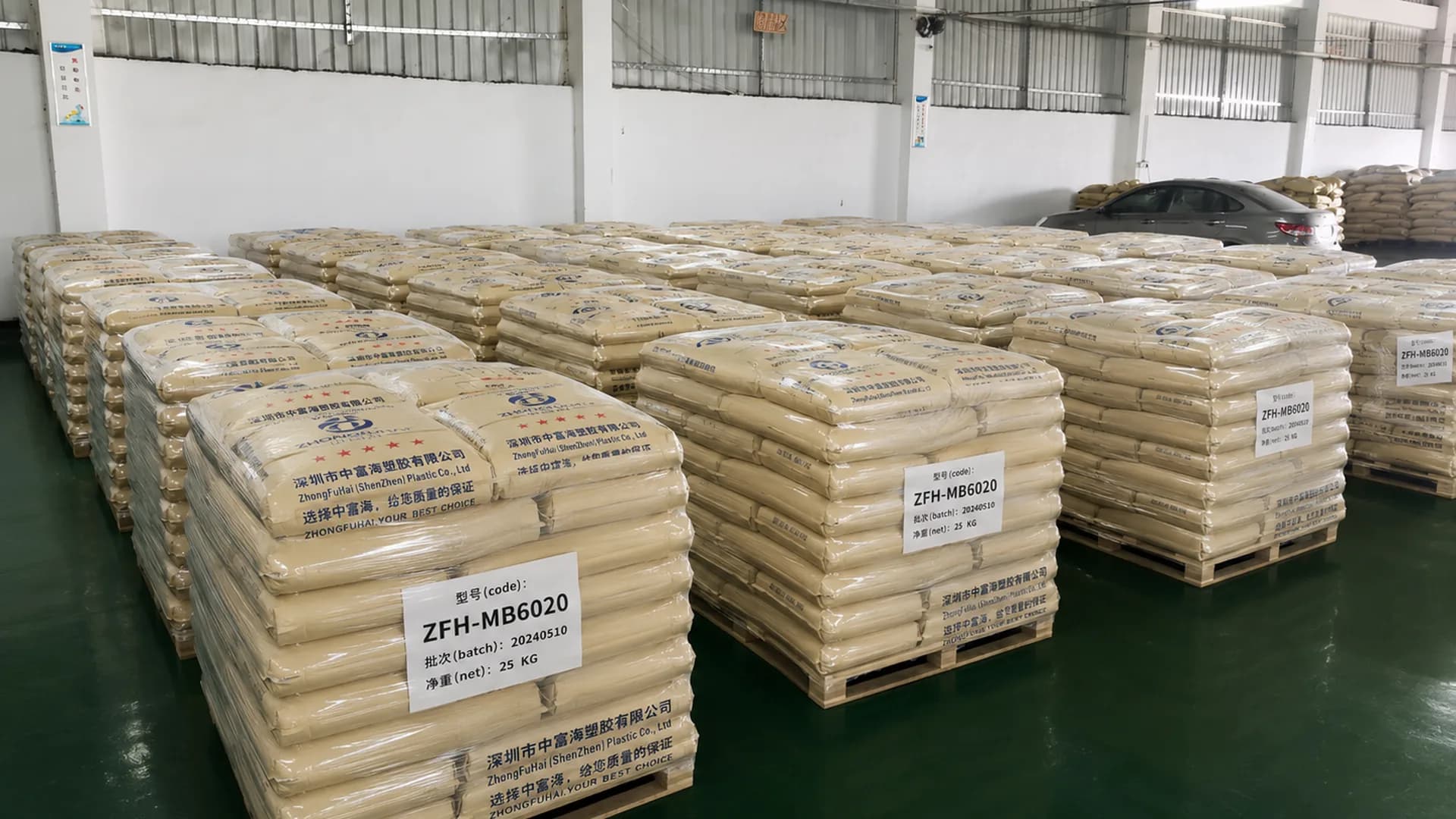
Por qué la conformidad es más difícil —y más importante— para los grados reciclados
La conformidad es realmente más exigente para el material reciclado que para el virgen, y vale la pena ser honesto sobre por qué. El polímero virgen y el negro de humo virgen provienen de una materia prima conocida y consistente. La materia prima reciclada, por definición, proviene de material que ya ha pasado por un ciclo de vida, así que sin un control cuidadoso puede arrastrar un rango más amplio de sustancias.
Precisamente por eso los ensayos de conformidad importan más para los grados reciclados, no menos. También por eso importa el proceso del proveedor: selección controlada de materia prima, formulación consistente y —crítico— verificación independiente. Un grado reciclado que ha superado una batería completa de ensayos de terceros no es solo «probablemente correcto». Se ha medido frente a los límites reglamentarios reales y se ha demostrado que los cumple.
Qué significa realmente «conformidad plena»
La conformidad no es una única casilla — mercados y aplicaciones distintos exigen normas distintas. Un grado reciclado verdaderamente listo para exportar necesita superar varios ensayos independientes, cada uno cubriendo una preocupación reglamentaria diferente:
- EU RoHS (UE) 2015/863 — restringe sustancias peligrosas (plomo, mercurio, cadmio, cromo hexavalente y ciertos ftalatos), exigido en toda la UE para una amplia gama de productos.
- EN 71-3:2019+A2:2024 — ensayo de migración de elementos relevante para la seguridad de juguetes y productos donde el material podría manipularse o llevarse a la boca.
- REACH SVHC — cribado frente a la lista de la UE de Sustancias Extremadamente Preocupantes, esencial para el mercado europeo.
- California Proposition 65 — el requisito de EE. UU. (California) que cubre plomo, cadmio y ftalatos, importante para el mercado norteamericano.
- AfPS GS 2019:01 (PAHs) — la norma alemana para hidrocarburos aromáticos policíclicos, vinculada a la certificación de marca GS y relevante en toda la UE.
En conjunto, cubren los requisitos de la UE, del mercado norteamericano y del mercado alemán que la mayoría de los compradores internacionales necesitan. Un grado reciclado que los supera todos no es un producto de compromiso — se ha sometido al mismo estándar que cualquier material virgen.
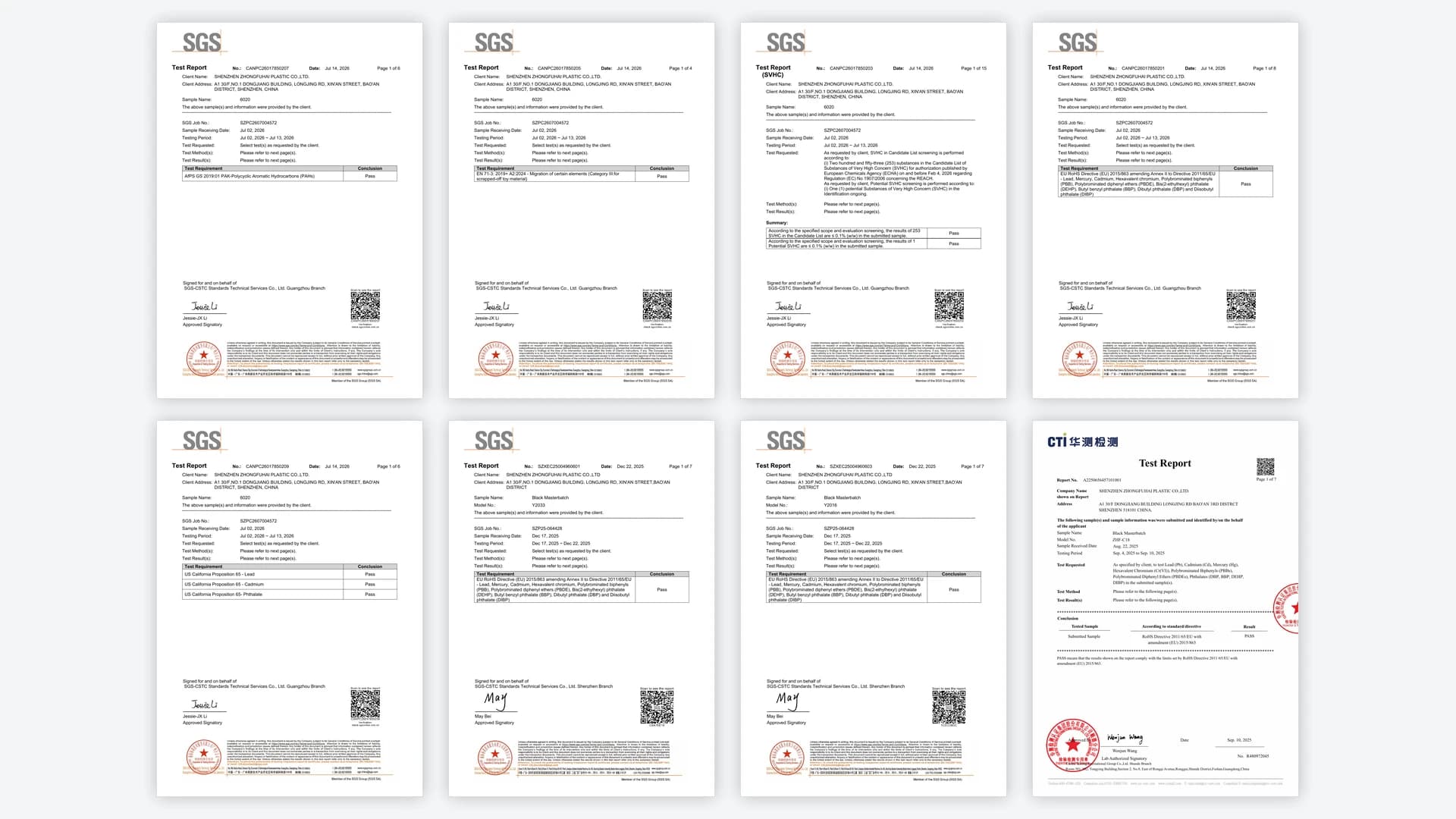
Cómo se ensayó nuestro grado reciclado 6020
Para demostrar que el contenido reciclado y la conformidad plena no son mutuamente excluyentes, nuestro masterbatch negro reciclado 6020 se presentó a SGS —un organismo de ensayo independiente y reconocido internacionalmente— para el conjunto completo de normas anteriores.
El resultado: 6020 superó las cinco. Los gránulos negros se ensayaron de forma independiente y cumplieron EU RoHS 2.0, EN 71-3:2019+A2:2024, REACH SVHC, California Proposition 65 y AfPS GS 2019:01 (PAHs). Cada informe está fechado, vinculado a la muestra específica de 6020 y emitido por SGS — no es una autodeclaración.
Esto importa porque convierte una afirmación en evidencia. En lugar de pedir a un comprador que confíe en que un grado reciclado es «seguro», podemos señalar cinco informes independientes que lo midieron frente a los límites reglamentarios reales y confirmaron que cumple. Puedes ver el conjunto completo de informes SGS en nuestra página de calidad y conformidad.
El 6020 y la serie reciclada rPE
El 6020 forma parte de nuestra serie de masterbatch negro reciclado rPE — una familia de grados construidos sobre la misma materia prima de polietileno reciclado. Dentro de la serie, la diferencia entre grados es la formulación y la concentración de negro de humo, ajustada a las necesidades de opacidad, coste y procesamiento de cada aplicación, en un amplio rango de contenido de negro de humo.
Como estos grados comparten el mismo material base reciclado, el 6020 es un ejemplo representativo de lo que la serie es capaz de lograr en conformidad. Dicho esto, los ensayos de conformidad son específicos por grado: un informe se emite para la muestra exacta presentada, así que los informes verificados anteriores se aplican al 6020. Para otros grados de la serie rPE, podemos organizar los ensayos de conformidad específicos que tu mercado y aplicación requieran — para que obtengas documentación vinculada al grado exacto que compras, no una afirmación genérica.
Qué significa esto al aprovisionar material reciclado
La conclusión práctica para un comprador que evalúa masterbatch negro reciclado:
- Reciclado no tiene por qué significar no conforme. El grado reciclado adecuado, de un proveedor con materia prima controlada y control de proceso, puede cumplir las mismas normas que el virgen.
- Pide los informes, no la afirmación. Cualquier proveedor puede decir que su grado reciclado es «conforme». Un proveedor que puede producir de inmediato informes SGS de terceros, fechados y vinculados a un grado específico, te está mostrando algo real.
- Ajusta las certificaciones a tus mercados. Si exportas a la UE, te importarán RoHS, EN 71-3 y REACH; para Norteamérica, California Prop 65; para la marca GS alemana, AfPS PAHs. Un grado certificado en todas ellas mantiene tus opciones abiertas.
- La conformidad también protege a tus clientes posteriores. Cuando puedes pasar documentación de conformidad verificada a tus propios compradores y auditores, el contenido reciclado se vuelve un activo que puedes defender en lugar de un riesgo que tienes que explicar.
Preguntas frecuentes
¿Puede el masterbatch negro reciclado cumplir las mismas normas de conformidad que el virgen? Sí. El contenido reciclado y la conformidad reglamentaria son cosas distintas — un grado reciclado fabricado con materia prima controlada y control de proceso puede ensayarse frente a, y cumplir, las mismas normas que el material virgen. La forma de confirmarlo para cualquier grado específico es revisar sus informes de ensayo de terceros (como los informes SGS) en lugar de suponer la conformidad solo por el tipo de material.
¿Qué certificaciones tiene el grado reciclado 6020? El 6020 ha sido ensayado de forma independiente por SGS y cumple EU RoHS 2.0 (UE 2015/863), EN 71-3:2019+A2:2024, REACH SVHC, California Proposition 65 y AfPS GS 2019:01 (PAHs). Los informes fechados están disponibles en nuestra página de calidad y conformidad.
¿Es seguro el masterbatch reciclado para productos de contacto alimentario o infantiles? La conformidad para estas aplicaciones se evalúa mediante normas específicas (por ejemplo contacto alimentario FDA/GB, o EN 71-3 para productos relevantes de juguete) y depende del grado concreto y su uso previsto. Confirma siempre que el grado exacto posee la certificación que tu aplicación requiere, respaldada por informes de terceros, antes de usarlo — no lo supongas por el hecho de que un grado relacionado esté certificado.
¿Por qué debería pedir informes de terceros en lugar de una declaración de conformidad? Porque una declaración es una afirmación, y un informe de terceros es evidencia. Un informe independiente de un organismo como SGS nombra el producto ensayado, la norma, el laboratorio y la fecha, y mide el material frente a los límites reglamentarios reales. Un proveedor que puede producirlos con rapidez está demostrando un control de calidad real, no solo marketing.
Mira los informes por ti mismo
Consulta el conjunto completo de informes de ensayo SGS de nuestro grado reciclado 6020 —RoHS, EN 71-3, REACH, California Prop 65 y PAHs— en nuestra página de calidad y conformidad. Explora nuestro masterbatch sostenible Y-Series y la gama completa de productos, o solicita una muestra y una TDS para probar un grado reciclado conforme en tu propia línea. ¿Quieres primero los fundamentos? Lee nuestra guía del masterbatch negro reciclado.
---